
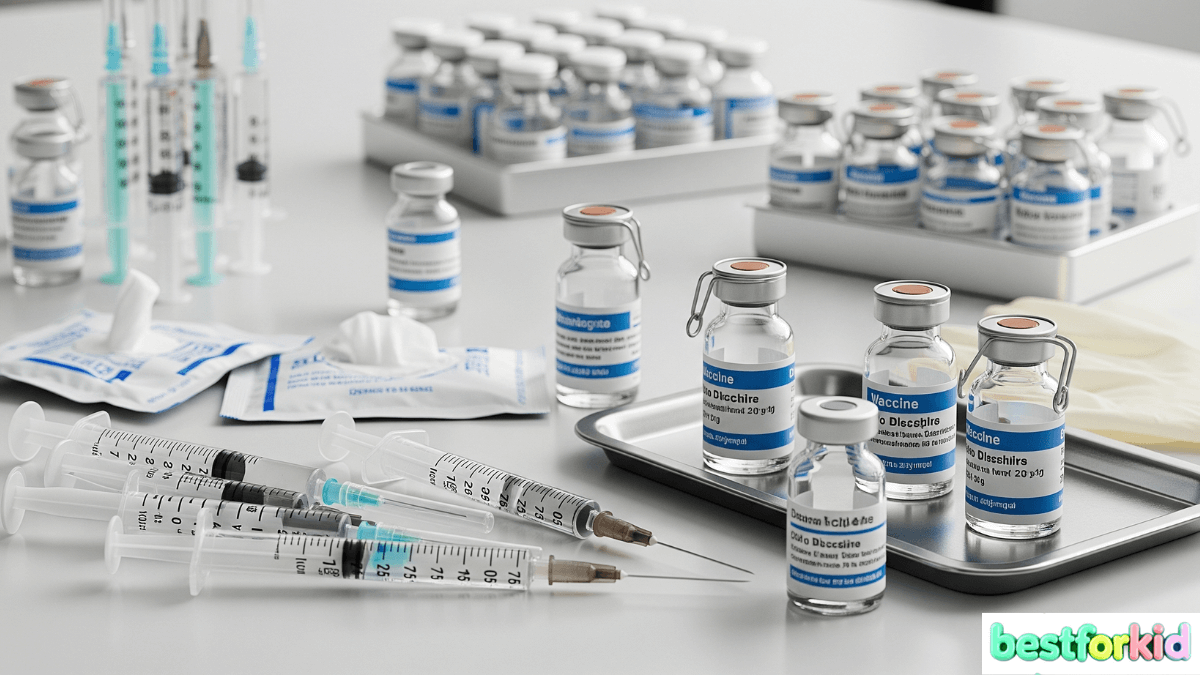
As a new parent, you want to give your child the best possible start in life. You ensure they are fed, loved, and kept safe. One of the most crucial steps in protecting your child’s health is vaccination. Think of it as an invisible shield that guards your little one against serious diseases. In India, this protective shield is guided by a simple yet powerful tool: the Tikakaran Chart. Understanding this immunization chart is key to ensuring your child gets the right vaccines at the right time. This blog post will be your complete guide to the government vaccination schedule, helping you navigate your child’s immunization journey with confidence. We will explore everything from the government’s Universal Immunization Programme (UIP) to the specific vaccines your child needs, making it easy for every Indian parent to follow along.
What is a Tikakaran Chart and Why is it So Important?
A Tikakaran Chart, or vaccination schedule, is a timetable that tells you which vaccines your child needs and when they should get them. It’s a scientifically designed roadmap that starts from birth and continues through childhood and adolescence. This chart is not just a piece of paper; it’s a life-saving document. Following this schedule is incredibly important for several reasons. Firstly, it ensures your child gets protection when they are most vulnerable. A baby’s immune system is still developing, making them more susceptible to dangerous infections.
The immunization schedule is carefully planned to provide immunity before your child is likely to be exposed to these diseases. Secondly, sticking to the chart helps build a strong defence in their body. Each dose, whether it’s the first one or a booster, plays a specific role in strengthening this defence. Delaying or skipping vaccines can leave your child unprotected when they need it the most. Lastly, by getting your child vaccinated on time, you are not just protecting them, but you are also contributing to the health of the entire community. This concept is known as herd immunity, which we will discuss in more detail later.
A Deep Dive into India's Universal Immunization Programme (UIP)
The backbone of the government’s vaccination efforts in India is the Universal Immunization Programme (UIP). It is one of the largest public health initiatives in the world, targeting nearly 2.67 crore newborns and 2.9 crore pregnant women every year. The main goal of the UIP is to provide free, high-quality vaccines to all children across the country, regardless of their social or economic status. This program has been instrumental in reducing the mortality rate in children under five by protecting them from various vaccine-preventable diseases.
The History and Evolution of UIP
The journey of India’s immunization program began in 1978 with the launch of the Expanded Programme on Immunization (EPI). In 1985, this program was revamped and renamed the Universal Immunization Programme (UIP) to be rolled out in phases across all districts. Initially, it covered six basic vaccines. Over the years, the UIP has grown stronger and more comprehensive. It became a part of the Child Survival and Safe Motherhood Programme in 1992 and has been a key component of the National Health Mission since 2005. The government has consistently worked on strengthening the program, which includes establishing a reliable cold chain system for vaccine storage, improving service quality, and achieving self-sufficiency in vaccine production. New life-saving vaccines have been added to the schedule over time to combat more diseases.
Diseases Covered Under the National Immunization Schedule
Under the Universal Immunization Programme, the Government of India provides vaccination to prevent twelve vaccine-preventable diseases. These are Diphtheria, Pertussis (Whooping Cough), Tetanus, Polio, Measles, Rubella, a severe form of Childhood Tuberculosis, Hepatitis B, Meningitis and Pneumonia caused by Haemophilus influenzae type B (Hib), Rotavirus Diarrhoea, Pneumococcal Pneumonia, and Japanese Encephalitis (in endemic districts). The cost of these essential vaccines is fully borne by the government, making them accessible to every citizen.
The Complete Government Tikakaran Chart (Updated for 2025)
Here is a simplified breakdown of the National Immunization Schedule (NIS). It is crucial to keep the vaccination card provided by the hospital or health center safe and update it with every vaccine administered. This card is the official record of your child’s immunization status.
For Pregnant Women
A child’s protection begins even before birth. The government schedule includes crucial vaccines for expectant mothers to protect both the mother and the newborn from Tetanus and Diphtheria.
- Td-1: This is given as early as possible during pregnancy.
- Td-2: This is administered 4 weeks after the first dose.
- Td-Booster: This is given if the mother has received two Td doses in a pregnancy within the last 3 years.
For Newborns (At Birth)
The first set of vaccines is administered shortly after birth, often before the baby is discharged from the hospital.
- BCG (Bacillus Calmette-Guerin): A single dose given to protect against the severe form of tuberculosis (TB). It is injected into the skin on the left upper arm.
- Hepatitis B (Birth Dose): This is the first dose to protect against Hepatitis B, a viral infection that affects the liver. It should be given as early as possible, within 24 hours of birth.
- OPV (Oral Polio Vaccine) – 0 Dose: This is the first dose of the polio vaccine, given as two drops orally. It protects against the poliovirus, which can cause paralysis.
At 6, 10, and 14 Weeks
This is a busy period in the vaccination schedule, with several vaccines given in three doses to build a strong foundation of immunity.
- Pentavalent Vaccine (Doses 1, 2, & 3): This is a combination vaccine that protects against five diseases: Diphtheria, Pertussis (whooping cough), Tetanus, Hepatitis B, and Haemophilus influenzae type B (Hib).
- OPV (Oral Polio Vaccine) (Doses 1, 2, & 3): The next three doses of the oral polio vaccine are given at these intervals.
- Rotavirus Vaccine (Doses 1, 2, & 3): Given as oral drops, this vaccine protects against rotavirus, a common cause of severe diarrhoea in young children.
- fIPV (Fractional Inactivated Polio Vaccine) (Doses 1 & 2): Two fractional doses of the injectable polio vaccine are given at 6 and 14 weeks to provide additional protection against polio.
- PCV (Pneumococcal Conjugate Vaccine) (Doses 1 & 2): This vaccine protects against pneumococcal disease, which can cause pneumonia and meningitis. It is given in select states and districts as part of the UIP.
At 9-12 Months
As your baby approaches their first birthday, another set of important vaccines is due.
- MR (Measles and Rubella) Vaccine (1st Dose): This vaccine protects against two viral diseases, measles and rubella.
- JE (Japanese Encephalitis) Vaccine (1st Dose): This is given in areas where Japanese Encephalitis is common (endemic districts).
- PCV (Pneumococcal Conjugate Vaccine) (Booster Dose): A booster dose is given to enhance protection.
At 16-24 Months
Booster doses are crucial during this period to reinforce the immunity built in the first year.
- DPT (Diphtheria, Pertussis, and Tetanus) (Booster 1): The first booster dose for these three diseases.
- MR (Measles and Rubella) Vaccine (2nd Dose): The second dose to ensure complete protection.
- OPV (Oral Polio Vaccine) (Booster): A booster dose of the oral polio vaccine.
- JE (Japanese Encephalitis) Vaccine (2nd Dose): The second dose is given in endemic areas.
At 5-6 Years
Just before starting school, another booster is recommended.
- DPT (Diphtheria, Pertussis, and Tetanus) (Booster 2): The second booster dose to maintain protection.
At 10 and 16 Years
Protection needs to be maintained even in adolescence.
- Td (Tetanus and adult Diphtheria): A booster dose is given at 10 years and again at 16 years.
The Role of Vitamin A Supplementation
Alongside the vaccination schedule, the government also provides Vitamin A supplementation for children. The first dose is given at 9 months along with the measles-rubella vaccine. Subsequent doses are given every 6 months until the age of 5. Vitamin A is vital for a child’s vision, immunity, and overall growth.
Why Following the Tikakaran Chart is Non-Negotiable
Sometimes, parents might wonder if it’s okay to delay a vaccine or follow a different schedule. However, medical experts strongly advise against this. The government’s Tikakaran Chart is the result of extensive research and is designed to provide the best possible protection.
Building Timely Immunity
The timing of each vaccine is not random. It is carefully planned based on when a child’s immune system will respond best and when they are most at risk for specific diseases. For instance, diseases like whooping cough can be deadly for very young babies. The schedule ensures they receive the vaccine and build immunity before they are likely to encounter such dangers. Delaying vaccines leaves a window of vulnerability during which your child could contract a serious, preventable illness.
The Power of Herd Immunity
When a large portion of a community is immunized against a contagious disease, it becomes difficult for the disease to spread. This is called herd immunity or community immunity. It acts as a protective bubble, safeguarding everyone within the community, including those who cannot be vaccinated. This includes newborn babies who are too young for some vaccines, people with weakened immune systems (like those undergoing cancer treatment), and the elderly. By vaccinating your child, you are not only protecting them but also being a responsible member of society, helping to shield its most vulnerable members.
Preventing Serious Complications
The diseases that the Tikakaran Chart protects against were once common and often had devastating consequences. Measles could lead to pneumonia or brain damage. Polio could cause permanent paralysis. Diphtheria could be fatal. Thanks to widespread vaccination, these outcomes are now rare. Vaccination is the most effective tool we have to prevent these serious illnesses and their life-altering complications, ensuring children can grow up healthy and strong.
Government vs. Private Vaccination Schedules: What's the Difference?
A common question among Indian parents is whether to follow the government’s free vaccination schedule or opt for vaccines at a private hospital. Both are good options, and the decision often comes down to personal choice and affordability. Let’s break down the key differences.
Vaccines Covered
The government’s Universal Immunization Programme (UIP) provides vaccines for 12 serious diseases free of cost. This schedule is robust and provides excellent protection. Private hospitals generally follow the schedule recommended by the Indian Academy of Pediatrics (IAP). The IAP schedule includes all the vaccines from the government chart plus some additional ones that are considered optional but beneficial. These may include vaccines for diseases like Chickenpox, Hepatitis A, and certain types of Meningitis.
Types of Vaccines
There can be a difference in the type of combination vaccines used. For example, the government schedule often uses a Pentavalent vaccine (protecting against 5 diseases). In the private sector, you might be offered a Hexavalent vaccine (protecting against 6 diseases), which combines the Pentavalent vaccine with the injectable polio vaccine (IPV) into a single shot. Another difference can be in the Pertussis (whooping cough) component. Government centers typically use a whole-cell vaccine (Pw), while private hospitals often offer an acellular vaccine (Pa), which is known to cause fewer mild side effects like pain and fever. However, both are equally effective in providing immunity.
Cost
This is the most significant difference. All vaccines under the UIP are provided completely free of charge at government health centers. In contrast, vaccinations at private hospitals can be quite expensive. The cost of following the private schedule, including the optional vaccines, can run into many thousands of rupees.
Which One is Right for Your Child?
Both the government and private vaccination schedules are safe and effective. The government’s Tikakaran Chart provides comprehensive protection against the most critical diseases in India. It is a very good schedule that has saved millions of lives. If cost is a concern, you can be completely confident in the protection offered by the government program. If you can afford it and wish to provide protection against a few additional diseases, you can opt for the private schedule after discussing it with your pediatrician. Many parents also choose a middle path, taking the essential vaccines at a government center and opting for specific additional vaccines at a private clinic.
Common Concerns and Side Effects of Vaccination
It’s natural for parents to have questions and concerns about vaccines. Understanding what to expect can help ease your mind. Vaccines are safe, and serious side effects are extremely rare.
Understanding Mild Side Effects
Most side effects after vaccination are mild and temporary. They are actually a sign that your child’s immune system is learning to fight the virus. Common side effects include:
- Redness, swelling, or soreness at the injection site.
- A mild fever.
- Feeling tired or fussy.
- Loss of appetite for a short period.
These symptoms usually appear within a day or two of the vaccination and go away on their own.
How to Manage Side Effects at Home
You can help your child feel more comfortable after their shots with a few simple measures.
- Offer extra fluids like breast milk or water.
- Place a clean, cool, wet washcloth on the sore area to ease discomfort.
- Avoid overdressing your baby if they have a fever.
- You can ask your doctor about using paracetamol if your child has a fever or seems to be in pain. Always follow the doctor’s advice on dosage.
When to Contact a Doctor
Serious reactions to vaccines are very rare. However, you should contact your doctor immediately if your child experiences any of the following:
- A very high fever (over 105°F).
- Non-stop crying for 3 hours or more.
- Seizures (fits).
- Signs of a severe allergic reaction, such as difficulty breathing, swelling of the face and throat, or a bad rash all over the body.
Busting Common Myths About Tikakaran
There is a lot of misinformation about vaccines, especially online. It is important to get your information from reliable sources like your doctor or official health websites. Here are some common myths and the facts that debunk them.
Myth: Vaccines cause autism.
Fact: This is one of the most persistent and harmful myths. Numerous large-scale scientific studies have consistently shown that there is no link between vaccines and autism. The original study that suggested a link was found to be fraudulent and was retracted. The timing of an autism diagnosis sometimes coincides with the vaccination schedule, but this does not mean one causes the other.
Myth: Natural immunity is better than vaccine-induced immunity.
Fact: While it’s true that getting a disease can lead to natural immunity, it comes at a great risk. A “natural” infection with measles can cause pneumonia or encephalitis (brain swelling). Mumps can lead to deafness. Getting immunity through vaccination is a much safer way to protect your child without them having to suffer through a potentially deadly illness.
Myth: Giving multiple vaccines at once can overload the immune system.
Fact: A baby’s immune system is incredibly powerful and deals with thousands of germs every single day. The antigens in vaccines are a tiny fraction of what they encounter in their environment. Combination vaccines are safe and effective. They reduce the number of injections your child needs, making the experience less painful and stressful for both the child and the parent.
Myth: Vaccines are not needed for diseases that are no longer common.
Fact: The very reason these diseases are no longer common is because of successful vaccination programs. However, the germs that cause them still exist and can be brought into the country by travellers. If vaccination rates drop, these diseases can quickly make a comeback and cause large outbreaks, as has been seen in other parts of the world.
Practical Tips for a Smooth Vaccination Experience
Going for your child’s “tika” doesn’t have to be a stressful event. A little preparation can make the process smoother for everyone involved.
What if My Child is Sick on Vaccination Day?
This is a very common concern. If your child has a mild illness, such as a cold, a runny nose, a slight cough, or mild diarrhoea, it is generally safe for them to get vaccinated. A mild illness does not affect how well the vaccine works. However, if your child has a moderate or severe illness, especially with a high fever, it is better to wait until they recover. Always consult your doctor if you are unsure.
What if We Miss a Vaccine Dose?
Life can be unpredictable, and sometimes a vaccine dose might be missed. Don’t panic. You do not need to start the entire vaccination series all over again. The concept of “catch-up vaccination” allows your child to get back on track. Contact your pediatrician as soon as you realize a dose was missed. They will create a revised schedule to get your child fully protected in the shortest and most effective way possible.
Keeping Your Child’s Tikakaran Record Safe
The immunization card your child receives at birth is a vital health document. Keep it in a safe place and remember to bring it with you to every single vaccination visit and doctor’s appointment. This card helps the healthcare provider keep an accurate record of the vaccines your child has received and know which ones are due next. It’s also often required for school admissions.
The Future of Vaccination in India
India’s Universal Immunization Programme is constantly evolving to provide even better protection for its children. The government continues to explore and introduce new vaccines to combat other serious diseases. Initiatives like Mission Indradhanush have been launched to ramp up immunization rates and ensure that even children in the most remote and underserved areas do not miss out on their life-saving vaccines. This commitment to public health ensures a healthier future for the next generation of Indians.
Conclusion
The Tikakaran Chart is more than just a schedule; it is a promise of a healthy future for your child. It is one of the simplest yet most powerful tools you have as a parent to protect your little one from a host of preventable diseases. By understanding the government’s vaccination schedule and ensuring your child receives their shots on time, you are giving them a gift of lifelong health. Trust the science, follow the schedule, and work closely with your healthcare provider. Your child’s bright and healthy future is worth every shot. For more detailed information, you can also visit official government resources like RCH Portal, POSHAN Abhiyaan, and the National Health Mission Immunization Page.
Frequently Asked Questions (FAQ)
What is a Tikakaran Chart?
A Tikakaran Chart, also known as an immunization or vaccination schedule, is a timeline that outlines the recommended vaccines a child should receive from birth through adolescence to protect them from various preventable diseases.
Are government vaccines safe and effective?
Yes, absolutely. The vaccines provided under India’s Universal Immunization Programme (UIP) are safe, effective, and of high quality. They undergo rigorous checks and are the same vaccines that have successfully eradicated diseases like polio and significantly reduced many others.
What should I do if my child misses a vaccine?
If your child misses a scheduled vaccine, you should contact your doctor as soon as possible. You don’t need to restart the entire schedule. Your doctor will provide a “catch-up” schedule to ensure your child gets the missed dose and is fully protected.
Can my baby get vaccinated if they have a cold?
In most cases, yes. A mild illness like a common cold, a low-grade fever, or a runny nose is not a reason to delay vaccination. However, if your child is moderately or severely ill, it’s best to wait until they recover. Always consult your pediatrician if you have concerns.
What are the common side effects of vaccines?
Common side effects are usually mild and short-lived. They can include soreness or redness at the injection site, a low-grade fever, and fussiness. These are normal signs that the body is building immunity.
Why are there differences between government and private vaccine schedules?
The government’s National Immunization Schedule provides essential vaccines free of cost to protect against 12 major diseases. Private hospitals often follow the Indian Academy of Pediatrics (IAP) schedule, which may include additional optional vaccines for diseases like chickenpox and Hepatitis A, and sometimes use different combination shots.
Is it okay to give multiple vaccines at the same time?
Yes, it is safe. A baby’s immune system can easily handle multiple vaccines at once. Combination vaccines are designed to be safe and effective, and they reduce the number of injections your child needs.
Table of Contents
Recent Articles :




You May Also Like
2025’s Best Baby Diapers in India Every Parent Should Know
Finding the right diaper can be a game-changer for both parents and babies. In this guide, we’ve rounded up the best baby diapers in India for 2025 that offer superior comfort, absorbency, and skin protection. Whether you’re looking for budget-friendly options or premium brands, this list helps you make the right choice for your little one’s needs.
Newborn Clothing Made Easy: Comfort Meets Practicality
Dressing your newborn doesn’t have to be complicated. This guide simplifies your shopping by focusing on clothes that are soft, breathable, and easy to wear. Discover top picks for rompers, onesies, and sleepwear that combine comfort with convenience—perfect for your baby’s delicate skin and your daily routine.
10 Best Baby Play Mats for Comfort, Safety & Entertainment
A good play mat offers more than just a soft surface—it encourages sensory development, tummy time, and safe play. We’ve curated the best baby play mats of 2025 that tick all the boxes: comfort, safety, durability, and design. Explore options that turn your floor into a fun and nurturing environment for your baby.