
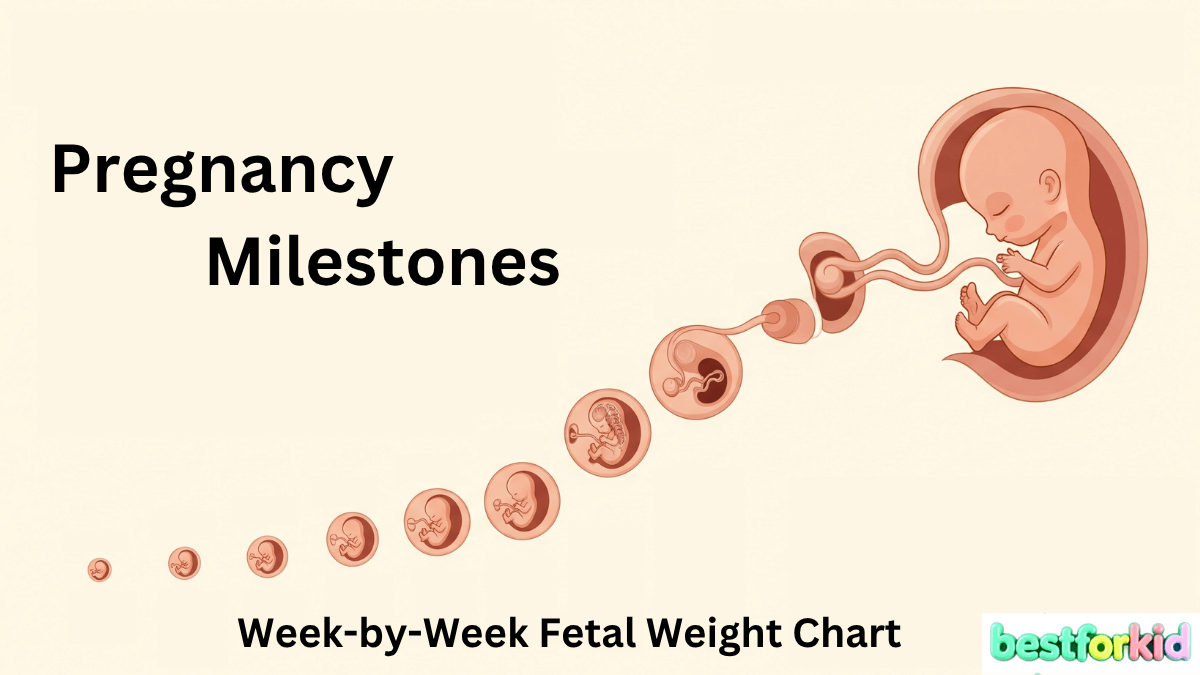
Embarking on the journey of pregnancy is a magical experience. It is one of the most special times in a person’s life. This is a time of incredible transformation. The change happens for the mother and the new life within. Tracking Pregnancy Milestones is a wonderful way to connect with your baby. It helps you understand the amazing changes happening each week. This guide walks you through every stage of your pregnancy. It offers insights into your baby’s development. You will learn what you can expect on this journey. We provide a detailed fetal weight chart for the Indian context. This helps you follow your baby’s growth closely. Let’s begin this beautiful journey together. We will explore the miracle of life unfolding inside you.
Understanding Your Pregnancy Journey: The Three Trimesters
A typical pregnancy lasts about 40 weeks. It is counted from the first day of your last period. This journey is divided into three distinct stages. These stages are called trimesters. Each trimester lasts between 12 and 14 weeks. Each one has unique developments for both mother and baby. Understanding these stages helps you prepare for the changes ahead. It allows you to cherish every moment of this special time. Preparing for these stages makes the process feel more manageable. It empowers you with knowledge for the path ahead.
The First Trimester: The Foundation of Life (Weeks 1-13)
The first trimester is a period of rapid development. This development is crucial for your baby. You may not see a big baby bump on the outside. However, a miracle is taking place inside you. During these first 13 weeks, your baby’s body is built. The fundamental structure and organ systems are formed. For the mother, this trimester is marked by hormonal shifts. These shifts can bring a range of symptoms. Many women find this the hardest trimester. Symptoms like fatigue and morning sickness are very common.
What’s Happening with Your Baby?
The first few weeks are a whirlwind of cellular activity. Fertilization and implantation happen around weeks 3 and 4. The embryo then starts to form. Key organs like the brain and spinal cord begin to develop. The heart also starts its development. By week 5, a tiny heart tube starts to pulse rhythmically. By week 6, you might see this on a vaginal ultrasound. Facial features begin to emerge. Arm and leg buds sprout from the tiny body. Even tiny fingers and toes start to take shape. By the end of this trimester, the embryo becomes a fetus. Most major organs are now in place. This is a critical time for development. The fetus is most vulnerable to factors that affect growth.
What to Expect for the Mom-to-Be
Your body is working overtime to support your baby. A surge in hormones like hCG and progesterone occurs. This leads to a variety of symptoms. You might experience many new feelings.
- Extreme Fatigue: Feeling very tired is common. Your body uses a lot of energy for growth.
- Morning Sickness: Nausea can occur at any time. Sometimes it is accompanied by vomiting.
- Tender Breasts: Your breasts may feel swollen. They can be sore as they prepare for breastfeeding.
- Frequent Urination: Your growing uterus puts pressure on your bladder. This increases the need to urinate.
- Food Cravings and Aversions: You might suddenly love certain foods. You may also dislike foods you once enjoyed.
- Mood Swings: Hormonal changes can affect your emotions. You might feel happy one moment and tearful the next.
First Trimester Warning Signs
Many symptoms are normal during pregnancy. However, it is important to be aware of warning signs. Contact your doctor immediately if you experience any of these.
- Heavy vaginal bleeding or severe cramping.
- Intense abdominal pain that feels sharp.
- Pain or a burning sensation during urination.
- Severe nausea and vomiting. This can prevent you from keeping any food or liquid down.
- Dizziness or light-headedness. Shoulder pain may also occur. These could be signs of an ectopic pregnancy.
The Second Trimester: The "Honeymoon" Phase (Weeks 14-27)
Welcome to the second trimester. Many women find this to be the most enjoyable phase. It is often called the “honeymoon period.” This is when initial discomforts tend to fade away. Morning sickness and fatigue may disappear. You might feel a wonderful surge of energy. Your baby bump will become more noticeable now. You will start to feel more connected to your little one. This connection grows stronger with each passing week.
Your Baby’s Growth Spurt
This trimester is a period of incredible growth. Your baby develops rapidly during these weeks. All organs and systems from the first trimester will mature. Your baby’s facial features become more defined. They can now stretch and make faces. They might even suck their thumb inside the womb. Fingernails and toenails are forming. Their nervous system is starting to work. One of the most exciting pregnancy milestones happens now. You may feel your baby’s first movements. This is a gentle fluttering known as “quickening.” It can happen around 16 to 20 weeks. By about 20 weeks, an ultrasound can often show the baby’s gender. The baby is also covered in fine hair called lanugo. A waxy substance called vernix caseosa protects their skin.
Changes in Your Body
As your baby grows, your body will also change. Here are some changes you can expect during this time.
- A Growing Belly: Your uterus expands significantly. This makes your pregnancy much more visible to others.
- Increased Appetite: Morning sickness is likely gone. Your appetite may return with a vengeance.
- Skin Changes: You might notice a dark line on your abdomen. This is the linea nigra. Patches of darker skin may appear on your face. This is called melasma. These are caused by hormones and usually fade after delivery.
- Aches and Pains: Your ligaments stretch to support your uterus. You might experience back, hip, or abdominal pain.
- Braxton Hicks Contractions: You may feel mild, irregular tightenings. These are normal practice contractions for your uterus.
Second Trimester Warning Signs
The second trimester is often smoother. However, it is still important to be vigilant about your health. Contact your healthcare provider if you experience these signs.
- Any significant change in vaginal discharge. Watch for watery, mucous, or bloody discharge.
- Severe abdominal pain or persistent cramping.
- Regular, consistent contractions before 37 weeks.
- Severe headaches or blurred vision. Major swelling can also be a concern. These could be signs of preeclampsia.
- A noticeable decrease in your baby’s movements. This is important after you have started feeling them regularly.
The Third Trimester: The Final Countdown (Weeks 28-40+)
You are on the home stretch now. The third trimester is about your baby’s final growth. They mature and prepare for birth. For you, this period can be a mix of feelings. You may feel both excitement and discomfort. As your due date approaches, anticipation grows. You will soon meet your little one. This is a great time to attend childbirth classes. They help you feel more prepared for labor and delivery. You might also feel a strong “nesting” instinct. This involves cleaning and organizing your home for the baby.
Final Touches: Your Baby Gets Ready for Birth
Your baby will gain significant weight in these last months. Layers of fat will accumulate under their skin. This makes them look chubbier and healthier. Their lungs are one of the last major organs to mature fully. The baby can now see and hear clearly. Their brain continues to develop at a rapid pace. Complex folds and grooves are forming in the brain. By around 36 weeks, most babies move into a head-down position. This process is called “lightening.” It can bring you some relief from shortness of breath. The pressure on your lungs eases as the baby drops lower.
Navigating the Last Stretch: Mom’s Experience
The final trimester can be physically demanding. The size of your baby and uterus increases. This can lead to several common discomforts.
- Shortness of Breath: Your growing baby puts pressure on your diaphragm. This can make breathing feel more difficult.
- Frequent Urination: The pressure on your bladder is back. You may need to use the restroom very often.
- Swelling: You might notice swelling in your ankles, hands, and face. Your body retains more fluid during this time.
- Backaches and Leg Cramps: The extra weight strains your back. It can also cause painful cramps in your legs.
- Difficulty Sleeping: Finding a comfortable sleeping position can be a real challenge. Using pillows for support can help.
Third Trimester Warning Signs
It is crucial to know the difference between discomfort and a problem. Call your doctor right away if you have any of these symptoms.
- Any amount of vaginal bleeding.
- Leaking of amniotic fluid from the vagina.
- A severe headache that does not go away. Also watch for any vision changes.
- Sudden or severe swelling in your face, hands, or fingers.
- A significant decrease in your baby’s movements.
- Signs of preterm labor. This includes regular, painful contractions before 37 weeks.
A Detailed Week-by-Week Fetal Weight and Length Chart
Watching your baby grow is an exciting part of pregnancy. This chart provides an average weekly guide. It shows your baby’s length and weight. Remember, every baby is unique. They grow at their own pace. Factors like ethnicity and height influence size. In India, newborns tend to be slightly smaller. A healthy birth weight is typically 2.5 kg to 4 kg. Do not worry if your baby’s measurements are different. Your doctor will monitor their growth closely. This ensures they are healthy. Measurements are crown to rump until week 20. Then they are measured from head to heel.
First Trimester Growth
- Week 8: Baby is 1.6 cm long. Weight is around 20 grams. Webbed fingers and toes are forming now.
- Week 9: Length is about 2.3 cm. Weight is 27 grams. Tiny toes are now visible on the feet.
- Week 10: Baby measures 3.1 cm. Weight is 35 grams. They have finished the most critical development part.
- Week 11: Length increases to 4.1 cm. Weight is 45 grams. Your baby is busy kicking and stretching.
- Week 12: Length is about 5.4 cm. Weight is 58 grams. Your baby can now make a fist with their hand.
- Week 13: Baby is roughly 6.7 cm long. Weight is 73 grams. Fingerprints are now forming on their tiny fingers.
Second Trimester Growth
- Week 14: Length is about 14.7 cm. Weight is 93 grams. Your baby can now make various facial expressions.
- Week 15: Baby measures 16.7 cm. Weight is 117 grams. Their taste buds are forming on their tongue.
- Week 16: Length is about 18.6 cm. Weight is 146 grams. The eyes can now move from side to side.
- Week 17: Baby is 20.4 cm long. Weight is 181 grams. The skeleton is changing from soft cartilage to bone.
- Week 18: Length is 22.2 cm. Weight is 223 grams. You might start feeling those first flutters of movement.
- Week 19: Baby measures around 24 cm. Weight is 273 grams. A waxy coating called vernix begins to form on the skin.
- Week 20: Halfway there! Baby is 25.7 cm long. Weight is 331 grams. They can now hear your voice and other sounds.
- Week 21: Length is 27.4 cm. Weight is 399 grams. The baby is swallowing amniotic fluid and can taste it.
- Week 22: Baby is about 29 cm long. Weight is 478 grams. Fine hair, called lanugo, now covers the entire body.
- Week 23: Length is 30.6 cm. Weight is 568 grams. The lungs are practicing breathing movements for life outside.
- Week 24: Length is about 32.2 cm. Weight is 670 grams. The baby’s brain is growing very quickly at this stage.
- Week 25: Baby is 33.7 cm long. Weight is 785 grams. More fat is making their skin look much smoother.
- Week 26: Length is 35.1 cm. Weight is 913 grams. Lungs produce surfactant, a substance for breathing after birth.
- Week 27: Baby is 36.6 cm long. Weight is around 1.1 kg. They can now open and blink their eyes regularly.
Third Trimester Growth
- Week 28: Baby is 37.6 cm long. Weight is 1.2 kg. Their eyelids can partially open and they have eyelashes.
- Week 29: Length is 39.3 cm. Weight is 1.4 kg. Their muscles and lungs continue to mature each day.
- Week 30: Baby measures 40.5 cm. Weight is 1.6 kg. They might have a good head of hair by this week.
- Week 31: Length is about 41.8 cm. Weight is 1.8 kg. This is the beginning of a period of rapid weight gain.
- Week 32: Baby is about 43 cm long. Weight is 2 kg. The lanugo begins to fall off as fat accumulates.
- Week 33: Length is 44.1 cm. Weight is 2.2 kg. The baby’s bones are hardening, but the skull remains soft.
- Week 34: Length is 45.3 cm. Weight is 2.4 kg. Their tiny fingernails have now reached their fingertips.
- Week 35: Baby is about 46.3 cm long. Weight is 2.6 kg. The baby is gaining about half a pound each week.
- Week 36: Length is 47.3 cm. Weight is 2.8 kg. Your baby is likely in a head-down position for birth.
- Week 37: Baby measures 48.3 cm. Weight is 3 kg. They are now considered “early term” by doctors.
- Week 38: Length is 49.3 cm. Weight is 3.2 kg. An average full-term Indian baby weighs around 3.2 kg.
- Week 39: Baby is 50.1 cm long. Weight is 3.4 kg. They are “full term” and ready for birth any day now.
- Week 40: At your due date, baby is 51 cm long. Weight is around 3.6 kg. They are fully developed and ready to meet you.
Tips for a Healthy Pregnancy Journey in India
Taking care of yourself is the best way to care for your baby. A healthy lifestyle is crucial for a smooth pregnancy. It ensures your baby’s optimal development. Here are some tips for expectant mothers in India. For more detailed information, you can also visit official government resources like RCH Portal, POSHAN Abhiyaan, and the National Health Mission Immunization Page.
Nourishing Your Body: A Healthy Diet
What you eat directly fuels your baby’s growth. Focus on a balanced diet. It should be rich in essential nutrients.
- Folic Acid: This is crucial for preventing birth defects. It protects the brain and spine. You need about 600 mcg daily. Good sources include spinach and lentils. Fortified cereals also contain folic acid.
- Iron: Iron is needed to make more blood. This blood supplies oxygen to your baby. Iron-deficiency anemia is common. Include lean meats, beans, and poultry. Iron-fortified cereals are also good.
- Calcium: Calcium is essential for your baby’s bones. It also builds their teeth. Aim for dairy products like milk and yogurt. Paneer, ragi, and leafy greens are great sources.
- Protein: Protein is a building block. It builds your baby’s tissues and organs. Good sources include dals and legumes. Eggs and lean meats are also very important.
- DHA: DHA is an omega-3 fatty acid. It is vital for your baby’s brain and eye development. Fatty fish like salmon are good sources. You can also take a prenatal supplement with DHA.
- Stay Hydrated: Drink plenty of water all day. This supports increased blood volume. It also helps prevent constipation.
Staying Active: Safe Exercises
Regular physical activity can ease pregnancy discomforts. It also prepares your body for labor. Your doctor should approve your exercise plan. Aim for 30 minutes of moderate exercise on most days.
- Walking: This is a simple and excellent exercise. It is safe for most pregnant women.
- Prenatal Yoga: Yoga can help with flexibility. It teaches breathing and reduces backaches.
- Swimming: This is easy on your joints. It provides a great cardiovascular workout.
- Avoid: Avoid high-impact sports. Also avoid activities with a risk of falling. Stay away from saunas and hot tubs. Overheating can be harmful to the baby.
The Importance of Prenatal Care
Regular check-ups are essential. See your doctor or midwife consistently. This helps monitor your health and your baby’s growth. These appointments let your provider catch issues early. They will track your weight and blood pressure. They also check the baby’s heartbeat and growth. This ensures a healthy path through all pregnancy milestones. Do not miss any scheduled appointments.
Mental Well-being During Pregnancy
Your emotional health is very important. It is just as important as your physical health. It is normal to feel a wide range of emotions. Do not hesitate to talk about your feelings. Speak with your partner, family, or friends. Your doctor can also provide support. Practice relaxation techniques. Deep breathing or meditation can help. Taking time for yourself is not selfish. It is a necessary part of a healthy pregnancy. Building a strong support system is key.
Conclusion
The nine months of pregnancy are a profound journey. It is a time of change and incredible milestones. From the first tiny heartbeat to the final preparations. Every week brings new and exciting developments. You can embrace this special time with confidence and joy. Understand the trimesters. Track your baby’s growth. Prioritize your own health. Remember that every pregnancy is unique. Cherish your personal journey. Stay connected with your healthcare provider. Look forward to the moment you hold your baby. For more information, refer to trusted sources. UNICEF’s guide on pregnancy milestones is a great resource.
Frequently Asked Questions (FAQ)
When will I feel my baby move for the first time?
Most women feel the first movements between 16 and 20 weeks. This is known as “quickening.” It might feel like a gentle flutter. Some describe it as a tiny bubble popping. If this is your first pregnancy, you may feel it later. It might be closer to the 20-week mark.
Is it normal for my baby’s weight to be different from the chart?
Yes, this is completely normal. The fetal weight charts provide an average. Every baby grows at a different rate. Factors like genetics can affect your baby’s size. Your health and diet also play a role. Your doctor will use ultrasounds to check growth. They ensure your baby is growing at a healthy pace.
What are some key nutrients I need during pregnancy?
The most crucial nutrients are folic acid, iron, and calcium. Protein and DHA are also very important. Folic acid prevents birth defects. Iron is vital for blood production. Calcium builds strong bones. Protein is essential for growth. Your doctor will likely recommend a prenatal vitamin. This ensures you get enough key nutrients.
How can I manage morning sickness?
Try eating small, frequent meals during the day. Avoid eating three large meals. Nibbling on dry crackers can help. Do this before you get out of bed in the morning. Ginger tea or ginger candies can also soothe nausea. If your symptoms are very severe, talk to your doctor. There are safe medications that can help.
What is the difference between Braxton Hicks and real contractions?
Braxton Hicks are practice contractions. They are usually irregular and do not get stronger. They often go away with rest or a change in position. Real labor contractions are different. They become stronger, more regular, and closer together over time. They do not stop with rest.
How much weight gain is normal during pregnancy?
The recommended weight gain varies. It depends on your pre-pregnancy weight. For a woman with a normal BMI, a gain of 11 to 16 kg is typical. Your doctor will give you a personal recommendation. Gaining a healthy amount of weight supports the baby’s growth. It also prepares your body for breastfeeding.
When should I call my doctor immediately?
You should call your doctor immediately for certain signs. These include heavy vaginal bleeding or severe abdominal pain. A sudden decrease in fetal movement is a concern. Also watch for signs of preterm labor before 37 weeks. Symptoms of preeclampsia also need urgent care. These include a severe headache, vision changes, and sudden swelling.
Table of Contents
Recent Articles :






You May Also Like
2025’s Best Baby Diapers in India Every Parent Should Know
Finding the right diaper can be a game-changer for both parents and babies. In this guide, we’ve rounded up the best baby diapers in India for 2025 that offer superior comfort, absorbency, and skin protection. Whether you’re looking for budget-friendly options or premium brands, this list helps you make the right choice for your little one’s needs.
Newborn Clothing Made Easy: Comfort Meets Practicality
Dressing your newborn doesn’t have to be complicated. This guide simplifies your shopping by focusing on clothes that are soft, breathable, and easy to wear. Discover top picks for rompers, onesies, and sleepwear that combine comfort with convenience—perfect for your baby’s delicate skin and your daily routine.
10 Best Baby Play Mats for Comfort, Safety & Entertainment
A good play mat offers more than just a soft surface—it encourages sensory development, tummy time, and safe play. We’ve curated the best baby play mats of 2025 that tick all the boxes: comfort, safety, durability, and design. Explore options that turn your floor into a fun and nurturing environment for your baby.