
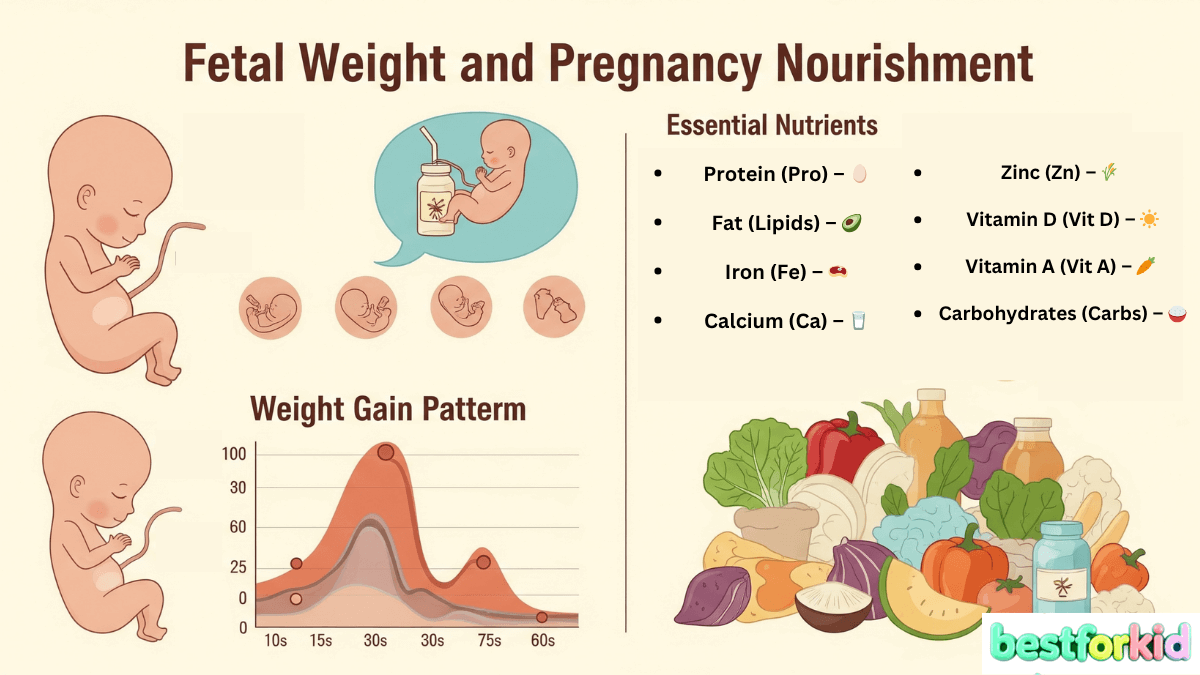
Embarking on the journey of pregnancy is a magical time, filled with anticipation and joy. As you nurture the new life growing within you, ensuring your baby’s healthy development becomes a top priority. A crucial aspect of this is nourishing your pregnancy with the right nutrients to support optimal growth. One of the key indicators that your doctor will track throughout this journey is your baby’s weight. But what exactly does fetal weight signify, and how can you contribute to your little one’s healthy development? This comprehensive guide will walk you through everything you need to know about fetal weight, especially for an Indian audience. We’ll delve into why it’s important, how it’s measured, and the vital role your diet plays in this beautiful process. Understanding these elements will empower you to make informed decisions for a healthy and happy pregnancy.
What is Fetal Weight and Why Does It Matter?
Fetal weight is simply the estimated weight of your baby while still in the womb. It’s a fundamental parameter that doctors use to assess your baby’s growth and overall well-being. Consistent and steady weight gain is a positive sign that your baby is receiving adequate nourishment and developing as expected. Monitoring fetal growth is essential for several reasons. It helps in the early detection of any potential growth abnormalities, ensuring that your baby is getting the right amount of nutrients through the placenta. Furthermore, tracking this growth allows your healthcare provider to customize your prenatal care to meet the specific needs of both you and your developing baby.
How Do Doctors Track Your Baby’s Growth?
You might wonder how your doctor can peek inside and weigh your baby. While there’s no tiny weighing scale in your womb, healthcare professionals use a few effective and non-invasive techniques to estimate fetal weight and monitor growth.
Ultrasound Scans: Ultrasound technology is a cornerstone of modern prenatal care. It uses sound waves to create detailed images of your baby, allowing the doctor to measure key parameters like the head circumference, abdominal circumference, and the length of the thigh bone (femur). These measurements are then put into a special formula to calculate an estimated fetal weight (EFW). Ultrasounds are typically performed at specific points during pregnancy, including the anomaly scan around 18-20 weeks, to get a comprehensive look at your baby’s development.
Fundal Height Measurement: This is a simpler technique used during your regular prenatal check-ups, especially in the second and third trimesters. Your doctor will use a measuring tape to measure the distance from your pubic bone to the top of your uterus (the fundus). This measurement, in centimeters, usually corresponds to the number of weeks you are pregnant. Consistent growth in fundal height is a good indicator that your baby is growing well. If there are any discrepancies, your doctor might recommend an ultrasound for a more detailed assessment.
Regular prenatal appointments are non-negotiable for tracking this progress. These check-ups provide the perfect opportunity for your doctor to monitor your baby’s growth curve, address any concerns, and provide you with personalized guidance for a healthy pregnancy.
Understanding the Fetal Weight Chart: A Week-by-Week Guide for Indian Pregnancies
A fetal weight chart is a helpful tool that provides an average weight and length of a baby for each week of gestation. It acts as a growth map, giving you and your doctor a general idea of your baby’s development. However, it is crucial to remember that these charts show averages, and every baby is unique. Your baby might be slightly smaller or larger, and that’s often perfectly normal. Factors like your height, weight, ethnicity, and even the baby’s gender can influence their size. In fact, studies suggest that newborns in India tend to be slightly smaller than the international average. The average weight for a full-term Indian baby is around 3.2 kg.
Growth Across the Trimesters
Your baby’s growth journey is a marathon, not a sprint, with different stages of development in each trimester.
First Trimester (Weeks 1-12): During the initial months, your baby is incredibly tiny. The primary focus is on the formation of essential organs and body systems like the brain, heart, and limbs. By the end of the first trimester, your baby weighs only about 14 grams, roughly the size of a lime.
Second Trimester (Weeks 13-26): This is a period of rapid growth. Your baby’s organs continue to mature, and they start gaining weight more noticeably. Around 20 weeks, they weigh about 300 grams. By the end of this trimester, the weight typically increases to between 900 grams and 1 kilogram.
Third Trimester (Weeks 27-40): The final stretch is when your baby packs on the pounds! This is the most significant period of weight gain as your baby accumulates fat, which will help with temperature regulation after birth. At 27 weeks, a fetus weighs around 1 kg, and by 32 weeks, it’s about 1.9 kg. From here until full term, they can gain up to 225 grams each week. This final growth spurt prepares them for their grand entrance into the world.
A Glimpse at the Numbers: Average Fetal Weight Week-by-Week
Here is a simplified chart showing the average fetal weight. Remember, these are just estimates.
- 14 weeks: 93g
- 20 weeks: 331g
- 27 weeks: 1.1kg
- 30 weeks: 1.6kg
- 35 weeks: 2.6kg
- 40 weeks: 3.6kg
Factors Influencing Your Baby's Weight in the Womb
A multitude of factors come into play to determine your baby’s final birth weight. While some are beyond your control, others can be managed with care and attention. Understanding these influences can help you take proactive steps towards nourishing your pregnancy effectively.
The Genetic Blueprint
Genetics play a significant role. A baby inherits genes from both parents, and this genetic makeup influences their growth potential. The height and weight of both the mother and the father can have an impact. Interestingly, research suggests that the father’s genes may have a more significant influence on growth early in the pregnancy, while the mother’s genes regulate it later to ensure a safe delivery.
Maternal Health and Well-being
The mother’s health is paramount for the baby’s development. Certain medical conditions can affect fetal weight.
- Diabetes: If an expectant mother has pre-existing diabetes or develops gestational diabetes, it can lead to higher blood sugar levels. This excess sugar crosses the placenta, causing the baby to produce more insulin, a growth hormone, which can result in a larger-than-average baby (macrosomia).
- Obesity: Women who are obese before pregnancy have a higher likelihood of having a larger baby. This is often linked to increased insulin resistance.
- High Blood Pressure: Conditions like hypertension can sometimes affect blood flow to the placenta, potentially leading to a lower birth weight.
The Power of Your Plate: Diet and Nutrition
This is one of the most significant and controllable factors. The nutrients a mother consumes directly fuel her baby’s growth. A balanced and nutrient-rich diet is essential for healthy fetal development. Conversely, an inadequate diet can lead to lower birth weight. We will explore this in much greater detail in the next section.
Other Influential Factors
- Mother’s Age: Women over the age of 35 have a slightly higher chance of having a baby with a higher birth weight.
- Number of Pregnancies (Parity): With each successive pregnancy, there is a tendency for the baby to be slightly heavier.
- Mother’s Own Birth Weight: There is a notable correlation between a mother’s weight at her own birth and her baby’s birth weight. Women who were smaller at birth are at a higher risk of delivering a smaller baby.
- Placental Health: The placenta is the lifeline between you and your baby, delivering oxygen and nutrients. Any issues with the placenta can impact nutrient delivery and, consequently, fetal growth.
- Lifestyle Choices: High levels of stress and a lack of moderate physical activity can also influence fetal weight.
Nourishing Your Pregnancy: A Deep Dive into a Healthy Diet for Optimal Fetal Weight
What you eat during pregnancy is the primary source of nourishment for your baby. A healthy diet is vital for your well-being and directly impacts your baby’s growth, organ development, and birth weight. For an Indian audience, the wealth of traditional foods offers a fantastic palette to create a diet that is both delicious and incredibly nutritious.
The Foundation: A Balanced Indian Diet
A balanced diet for pregnancy should be rich in macronutrients—proteins, carbohydrates, and healthy fats—and micronutrients like vitamins and minerals. You’ll need about 300 extra calories per day, especially from the second trimester onwards, to support your baby’s growth. These calories should come from nutrient-dense foods, not empty calories from sweets and fried snacks.
Essential Nutrients on Your Pregnancy Thali
Protein: The Building Block of Life
Protein is crucial for building your baby’s tissues, muscles, and organs. Excellent Indian sources include:
- Pulses and Legumes: Dal (lentils), chana (chickpeas), rajma (kidney beans), and sprouts are protein powerhouses.
- Dairy Products: Paneer (cottage cheese), curd (yogurt), and milk are rich in protein and calcium.
- Eggs and Lean Meats: For non-vegetarians, eggs, chicken, and fish (low in mercury) are fantastic sources.
Folic Acid: The Protector
This B vitamin is vital, especially in early pregnancy, as it helps prevent serious birth defects of the brain and spinal cord. Find it in:
- Leafy Greens: Spinach (palak), fenugreek (methi), and other green leafy vegetables.
- Legumes: Lentils and beans are also good sources.
Iron: The Oxygen Carrier
Your body needs extra iron during pregnancy to make more blood to supply oxygen to your baby. Iron deficiency can lead to anemia and fatigue. Good sources are:
- Green Vegetables: Spinach, broccoli, and kale.
- Lean Meats and Poultry.
- Fortified Cereals.
Calcium: The Bone Builder
You and your baby need calcium for strong bones and teeth.
- Dairy: Milk, yogurt, and cheese are top sources.
- Other sources: Ragi, broccoli, and almonds also provide calcium.
Omega-3 Fatty Acids (DHA): The Brain Booster
DHA is essential for your baby’s brain and eye development.
- Fish: Fatty fish like salmon and sardines are great sources.
- Vegetarian Sources: Walnuts, chia seeds, and flaxseeds are excellent plant-based options.
A Sample Indian Diet Plan for a Healthy Pregnancy
Here’s a simple meal plan to guide you. Remember to listen to your body and eat when you’re hungry.
- Early Morning: A glass of warm water with a few soaked almonds and walnuts.
- Breakfast: A bowl of vegetable poha or upma, or 2 stuffed moong dal chillas with a side of curd.
- Mid-Morning Snack: A seasonal fruit like an apple, banana, or a bowl of pomegranate.
- Lunch: 2 rotis (multigrain), a bowl of dal, a serving of seasonal vegetable curry (like beans or carrots), and a bowl of salad.
- Evening Snack: A handful of roasted chana or a bowl of sprouts salad.
- Dinner: A slightly lighter meal like brown rice with dal and a vegetable soup.
- Before Bed: A glass of warm milk with a pinch of turmeric.
Foods to Boost Fetal Weight in the Third Trimester
If your doctor suggests that your baby could benefit from some extra weight gain, especially in the third trimester, focus on nutrient-dense foods:
- Eggs, Milk, and Yogurt: These are packed with protein.
- Sweet Potatoes: Rich in beta-carotene, which is essential for healthy development.
- Lentils and Beans: Load up on these for protein and iron.
- Avocados: A great source of healthy fats and vitamins.
- Nuts and Seeds: Almonds, walnuts, and chia seeds provide healthy fats and protein.
Don’t Forget to Hydrate!
Drinking plenty of water (8-10 glasses a day) is crucial. It aids in nutrient absorption and helps prevent common pregnancy issues like constipation and urinary tract infections. Coconut water and fresh fruit juices (without added sugar) are also excellent choices.
What If My Baby's Weight is a Concern?
During your prenatal check-ups, your doctor will plot your baby’s estimated weight on a growth chart. Sometimes, the growth may be slower or faster than the average, leading to concerns about low or high fetal weight.
Low Fetal Weight (Intrauterine Growth Restriction – IUGR)
Low birth weight is when a baby weighs less than 2.5 kg at birth. When a fetus is smaller than expected for their gestational age, it’s often referred to as IUGR or Fetal Growth Restriction (FGR). This can happen for various reasons, including placental issues, maternal high blood pressure, or infections.
- Monitoring: If your doctor suspects IUGR, they will monitor your baby more closely with regular ultrasounds and Doppler studies, which check the blood flow through the umbilical cord.
- What You Can Do: The best course of action is to follow your doctor’s advice strictly. This will likely include focusing on a nutrient-dense diet, getting adequate rest, and managing any underlying health conditions. Including protein-rich foods, healthy fats, and whole grains can be beneficial.
High Fetal Weight (Fetal Macrosomia)
Fetal macrosomia is the term used when a baby is estimated to weigh more than 4 kg at birth. As discussed, this is often linked to maternal factors like diabetes or obesity.
- Potential Complications: A larger baby can sometimes make vaginal delivery more challenging and may increase the risk of complications like shoulder dystocia (where the baby’s shoulder gets stuck during delivery) or the need for a C-section.
- Management: The most effective way to manage macrosomia is prevention. This involves managing your blood sugar levels carefully if you have diabetes and aiming for a healthy weight gain throughout pregnancy through a balanced diet and regular exercise. Your doctor will discuss the best delivery options with you based on your individual circumstances.
Foods to Avoid for a Healthy Pregnancy and Fetal Development
While focusing on nutritious foods is key, it’s equally important to be aware of foods that can pose a risk to you and your developing baby. Here’s a list of items to steer clear of:
- High-Mercury Fish: Large fish like shark, swordfish, and king mackerel can contain high levels of mercury, which can harm your baby’s developing nervous system.
- Raw and Undercooked Foods: Avoid raw or undercooked meat, fish (like sushi), and eggs. These can carry harmful bacteria like Salmonella and Listeria. Make sure eggs are cooked until the yolks and whites are firm.
- Unpasteurized Dairy Products: Steer clear of unpasteurized milk and soft cheeses like brie, feta, and blue cheese, as they can carry the Listeria bacteria. Hard cheeses like cheddar and pasteurized products are safe.
- Processed Meats: Deli meats and cold cuts should be avoided or heated until steaming hot to kill any potential bacteria.
- Unwashed Produce: Thoroughly wash all fruits and vegetables to remove any harmful bacteria or pesticides.
- Excessive Caffeine: Limit your caffeine intake. While you don’t have to cut it out completely, it’s best to stick to under 200mg per day (about one small cup of coffee).
- Alcohol: It is safest to avoid alcohol completely during pregnancy, as it can lead to serious developmental problems for the baby.
The Role of a Doctor in Monitoring Fetal Weight
Throughout this journey, your obstetrician or gynecologist is your most trusted partner. They are responsible for monitoring your baby’s growth through various methods like ultrasounds and fundal height measurements. Their expertise is crucial in interpreting the results of these assessments. They can tell you if your baby’s growth is on track or if there are any concerns that need to be addressed. It’s vital to attend all your scheduled prenatal appointments and to communicate openly with your doctor. Don’t hesitate to ask questions or share any concerns you might have about your diet, lifestyle, or your baby’s development. They can provide evidence-based, personalized advice tailored to your specific health needs and pregnancy profile, ensuring the best possible outcome for both you and your little one.
Busting Myths About Fetal Weight
In India, pregnancy is often accompanied by a lot of well-meaning advice from family and friends, but some of this can be based on myths rather than facts. Let’s debunk a few common ones:
- Myth 1: Eating lots of ghee and fatty foods will make the baby healthy and chubby. Fact: While healthy fats are important, excessive consumption of ghee and other fats leads to unhealthy weight gain for the mother, increasing the risk of complications like gestational diabetes and macrosomia. A balanced diet is key, not an excess of one food group.
- Myth 2: The shape and size of your belly can predict the baby’s weight. Fact: The appearance of a pregnant belly is influenced by many factors, including the mother’s muscle tone, the position of the baby, and the amount of amniotic fluid. It is not an accurate indicator of the baby’s weight. Only medical assessments like ultrasound can provide a reliable estimate.
- Myth 3: You need to “eat for two.” Fact: This is a common misconception that often leads to excessive weight gain. While your calorie needs do increase, it’s only by about 300-500 calories per day, and this increase is mainly in the second and third trimesters. The focus should be on the quality of the food, not just the quantity.
Conclusion
Nourishing your pregnancy is one of the greatest gifts you can give to your baby. Understanding the nuances of fetal weight provides a valuable window into your baby’s development, but it’s important to view it as one part of a much larger picture. Fetal weight is a guide, not a grade. The journey to a healthy baby is paved with a balanced diet rich in Indian staples, regular gentle exercise, adequate rest, and, most importantly, consistent medical care. Embrace this special time with confidence, knowing that every healthy choice you make is a step towards nurturing a new life. Trust your body, trust your doctor, and enjoy the incredible journey of bringing your little one into the world. For more detailed information, you can also visit official government resources like RCH Portal, POSHAN Abhiyaan, and the National Health Mission Immunization Page.
Frequently Asked Questions (FAQ)
1. How is fetal weight measured during pregnancy?
Fetal weight is most accurately estimated using an ultrasound scan. A sonographer takes several measurements of the baby, including the head circumference, abdominal circumference, and femur (thigh bone) length. These measurements are then used in a mathematical formula to calculate the estimated fetal weight.
2. What is considered a normal fetal weight in the third trimester?
In the third trimester, a baby’s weight gain is rapid. At around 32 weeks, the average weight is about 1.9 kg, and by 40 weeks (full term), most babies weigh between 2.5 kg and 4 kg. The average for a full-term Indian baby is around 3.2 kg.
3. What specific Indian foods can I eat to increase my baby’s weight?
To promote healthy weight gain, focus on a balanced diet rich in protein and healthy nutrients. Good Indian food choices include dals (lentils), paneer, tofu, eggs, chicken, sweet potatoes, avocados, nuts like almonds and walnuts, and plenty of leafy green vegetables.
4. Can my stress levels affect my baby’s weight?
Yes, high levels of chronic stress can potentially impact fetal growth. Managing stress through relaxation techniques like meditation, prenatal yoga, and getting adequate rest is important for a healthy pregnancy.
5. Is it okay if my baby’s estimated weight is different from the average on the chart?
Absolutely. Fetal weight charts show averages, and it’s very common for a baby’s weight to be slightly above or below the line. Factors like genetics, your own body size, and ethnicity play a role. As long as your doctor is satisfied with your baby’s rate of growth over time, minor variations are usually not a cause for concern.
6. When should I be worried about my baby’s weight?
You should only be concerned if your doctor expresses concern. If they detect a significant deviation from the expected growth curve, such as very slow growth (IUGR) or excessively rapid growth (macrosomia), they will inform you and recommend further monitoring or management strategies.
Table of Contents
Recent Articles :






You May Also Like
2025’s Best Baby Diapers in India Every Parent Should Know
Finding the right diaper can be a game-changer for both parents and babies. In this guide, we’ve rounded up the best baby diapers in India for 2025 that offer superior comfort, absorbency, and skin protection. Whether you’re looking for budget-friendly options or premium brands, this list helps you make the right choice for your little one’s needs.
Newborn Clothing Made Easy: Comfort Meets Practicality
Dressing your newborn doesn’t have to be complicated. This guide simplifies your shopping by focusing on clothes that are soft, breathable, and easy to wear. Discover top picks for rompers, onesies, and sleepwear that combine comfort with convenience—perfect for your baby’s delicate skin and your daily routine.
10 Best Baby Play Mats for Comfort, Safety & Entertainment
A good play mat offers more than just a soft surface—it encourages sensory development, tummy time, and safe play. We’ve curated the best baby play mats of 2025 that tick all the boxes: comfort, safety, durability, and design. Explore options that turn your floor into a fun and nurturing environment for your baby.