
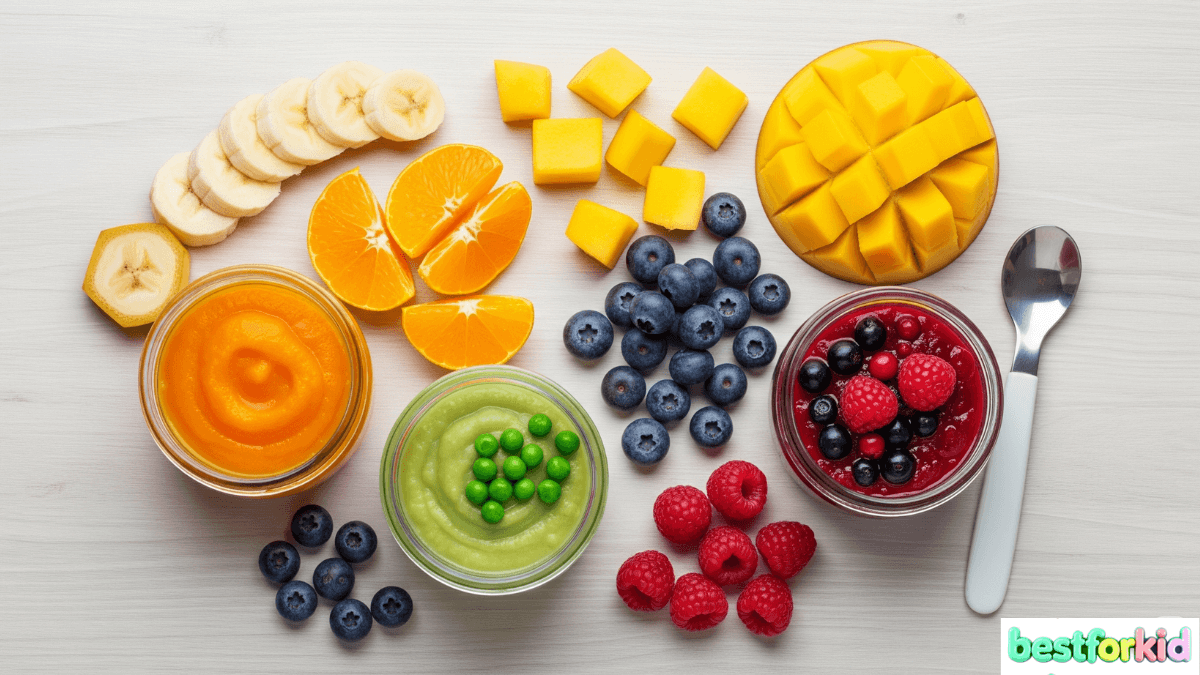
Parenthood is a journey filled with precious moments and numerous challenges. Ensuring your little one receives the right nutrition is paramount, especially during the formative toddler years. As your baby blossoms into a toddler, their dietary requirements undergo a significant transformation. A meticulously planned food chart for 1-2 year olds becomes an invaluable tool for parents, particularly in the Indian context. A well-structured meal plan not only helps in providing a balanced diet but also introduces your child to a world of new flavors and textures, laying a robust foundation for lifelong healthy eating habits. This comprehensive guide will walk you through the nuances of creating the perfect food chart, keeping in mind the unique dietary landscape of India.
Why Do You Need a Food Chart for Your 1-2 Year Old?
In the whirlwind of daily life with a toddler, keeping track of their meals can be a daunting task. A food chart brings a sense of order and tranquility to this chaos, acting as a nutritional roadmap for your child’s well-being. It ensures that they receive all the essential nutrients vital for their rapid growth and development. Furthermore, a planned diet is instrumental in the early detection of potential food sensitivities or allergies by systematically introducing new food items. Most importantly, a food chart helps in establishing a routine, and toddlers, by their very nature, thrive on predictability and structure. This structured approach to meals can transform mealtimes into a more pleasant and enjoyable experience for both the child and the parents, fostering a positive relationship with food from an early age.
Understanding Your Toddler’s Nutritional Needs
The period between one and two years of age is a time of incredible transformation and growth. Your toddler is mastering new skills like walking, talking, and exploring their environment with boundless curiosity and energy. To fuel this remarkable developmental spurt, they require a well-balanced diet that includes a mix of macronutrients and micronutrients. At this stage, their digestive system has matured considerably, allowing them to consume family meals, albeit with less spice, salt, and sugar. Providing the right nutrition during these crucial years is the cornerstone of a healthy and vibrant life. After 12 months, your toddler can transition from breast milk or formula to a diet rich in a variety of foods. This is an exciting time of new tastes and textures, but it’s also a period where their appetite might seem to decrease as their growth rate slows down compared to their first year.
The Macronutrients: Building Blocks for Growth
Macronutrients are the primary nutrients that the body needs in large amounts. They are the main sources of energy and are fundamental for a toddler’s growth and daily activities.
Carbohydrates for Energy: Carbohydrates are the body’s preferred source of fuel, providing the energy your toddler needs for their endless sessions of playing and learning. It is advisable to opt for complex carbohydrates, which release energy slowly and steadily throughout the day. In the Indian context, there are numerous excellent sources of complex carbohydrates. Whole wheat chapati, brown rice, oats porridge, dalia (cracked wheat), and ragi (finger millet) are all fantastic options. Suji upma, a popular and easy-to-prepare dish, is another great choice to include in your toddler’s diet.
Proteins for Development: Protein is absolutely crucial for building, maintaining, and repairing tissues in the body. It also plays a vital role in the production of enzymes and hormones and supports a robust immune system. For Indian toddlers, a plethora of protein-rich options are readily available. For vegetarians, dal (lentils), paneer (Indian cottage cheese), curd (yogurt), chickpeas, kidney beans, and tofu are excellent sources. Non-vegetarian options include well-cooked eggs, chicken, and fish. Ensuring a daily serving of protein is essential to support your toddler’s growth and overall well-being.
Fats for Brain Health: Healthy fats are vital for a toddler’s brain development and also aid in the absorption of fat-soluble vitamins like A, D, E, and K. There are many good sources of healthy fats that can be incorporated into an Indian toddler’s diet. Ghee (clarified butter) is a traditional and highly beneficial choice. Smooth nut butters, ensuring there are no whole nut pieces to prevent choking, are also a good option. Avocado, with its creamy texture and nutrient density, is another excellent choice. Full-fat dairy products such as milk and curd are also important sources of healthy fats that should be part of their daily intake.
The Micronutrients: The Hidden Helpers
Micronutrients, which include vitamins and minerals, are required by the body in smaller quantities but are just as essential for overall health and development. A varied and colorful diet is the best way to ensure your toddler gets an adequate supply of these vital nutrients.
Iron: Iron is a critical component of hemoglobin, the protein in red blood cells that carries oxygen throughout the body. Iron deficiency is a significant concern in India and can lead to anemia, which can cause fatigue, weakness, and developmental delays. To prevent this, it’s important to include iron-rich foods in your toddler’s diet. Good sources include spinach, lentils, fortified cereals, lean meats, and poultry. Including these foods regularly is crucial for your toddler’s health.
Calcium and Vitamin D: This dynamic duo works together to build strong bones and teeth. Milk, curd, paneer, and other dairy products are excellent sources of calcium. Vitamin D is primarily synthesized by the body through exposure to sunlight, but it is also found in fortified foods. These nutrients are indispensable for proper skeletal development. Despite ample sunshine, Vitamin D deficiency is a prevalent issue among Indian children. Doctors may sometimes recommend vitamin D supplements to ensure adequate levels.
Other Essential Vitamins and Minerals: A diverse diet rich in colorful fruits and vegetables will provide a wide array of other essential vitamins and minerals. Vitamin A is important for healthy vision and a strong immune system. Vitamin C is known to boost the immune system and also enhances the absorption of iron from plant-based sources. Zinc is another crucial mineral that supports growth and immune function. A balanced diet that includes a rainbow of foods is the most effective way to ensure your toddler receives all the necessary micronutrients.
Common Nutritional Deficiencies in Indian Toddlers
Despite the best intentions of parents, certain nutritional deficiencies are common among toddlers in India. Iron deficiency anemia is a major public health concern. Vitamin D deficiency is also widespread across the country. Additionally, deficiencies in Vitamin B12 and zinc can also occur, impacting a child’s growth and development. A well-structured food chart for 1-2 year olds that emphasizes a diverse range of food sources can play a significant role in preventing these common deficiencies. Early detection and intervention are key to ensuring healthy development and preventing long-term health issues.
Creating a Balanced Food Chart: A Step-by-Step Guide
Now, let’s delve into the practical aspects of creating a food chart for your toddler. The process doesn’t have to be overly complex or intimidating. The primary goals are to ensure variety and balance in their diet. A well-thought-out plan can significantly simplify mealtimes and reduce stress for parents.
The Five Food Groups Explained
A simple yet effective way to ensure a balanced diet for your toddler is to include foods from all five food groups every day. This approach guarantees a wide spectrum of nutrients essential for their growth.
- Grains: This group forms the foundation of the diet and includes staples like rice, wheat, oats, ragi, and other cereals. It is recommended to aim for about four servings of grains per day for a toddler. A single serving can be considered as one slice of bread or half a cup of cooked rice.
- Vegetables: Offering a variety of colorful vegetables is crucial as they are packed with essential vitamins, minerals, and fiber. Aim for two to three servings of vegetables daily. A serving size is approximately half a cup of cooked vegetables.
- Fruits: Fruits provide a natural source of sweetness along with essential vitamins. About half a serving of fruit per day is generally sufficient for a toddler. A serving can be a medium-sized banana or apple.
- Dairy: This group includes milk, curd, paneer, and other milk products, which are excellent sources of calcium and protein. Aim for one to one and a half servings of dairy per day. A serving is equivalent to one cup of milk or three-quarters of a cup of yogurt.
- Proteins: This group is essential for growth and includes lentils, beans, eggs, meat, and fish. Aim for one serving of protein per day for your toddler. A serving is about 65 grams of cooked meat or one cup of cooked lentils.
Portion Sizes for Little Tummies
Toddlers have small stomachs, and their portion sizes are significantly smaller than those of adults. A general guideline is to offer about a quarter of an adult’s serving size. For example, a toddler’s meal could consist of a quarter slice of bread, one to two tablespoons of vegetables, one to two tablespoons of fruit, and about one ounce of meat or two to three tablespoons of beans. It’s important to remember that a toddler’s appetite can vary from day to day, and it’s best not to force them to eat if they are not hungry.
Meal Frequency: How Often Should Your Toddler Eat?
Given their small tummy size and high energy requirements, it is best to offer toddlers three main meals and two to three healthy snacks throughout the day. This feeding schedule provides a consistent supply of energy and prevents them from feeling overly full at any one meal. A predictable mealtime routine helps regulate their appetite and can make them more receptive to eating.
Sample Indian Food Chart for a 1-2 Year Old (Weekly Plan)
Here is a sample weekly meal plan to give you some ideas for your toddler. Feel free to customize it based on your child’s preferences and the seasonal availability of produce. This flexibility will make it easier to adhere to the plan. For more detailed recipes, you can explore reliable online resources from culinary experts who specialize in healthy Indian cooking.
| Day | Breakfast (8:00 AM) | Mid-Morning Snack (10:30 AM) | Lunch (1:00 PM) | Evening Snack (4:00 PM) | Dinner (7:00 PM) |
|---|---|---|---|---|---|
| Monday | Ragi porridge with mashed banana | A few pieces of soft pear | Dal khichdi with a teaspoon of ghee | Homemade curd (yogurt) | Soft chapati pieces with paneer bhurji |
| Tuesday | Suji upma with finely grated carrots | Stewed apple | Vegetable pulao with cucumber raita | A small bowl of poha with yogurt | Moong dal with rice and mashed potato |
| Wednesday | Oats porridge with milk | Orange slices | Soft idli with mild sambar | Paneer cubes tossed in a little ghee | Chapati with mashed pumpkin sabzi |
| Thursday | Wheat porridge (daliya) with milk | A small banana | Curd rice with a pinch of turmeric | A small ragi laddu | Rice with mild chicken curry (shredded) |
| Friday | Moong dal cheela (savory pancake) | A few grapes, halved | Chapati with spinach (palak) dal | A small bowl of fruit custard | Vegetable khichdi with a dollop of butter |
| Saturday | Soft dosa with mild coconut chutney | A few pieces of melon | Rice with rajma (kidney beans) curry | A small glass of banana milkshake | Suji kheer (semolina pudding) |
| Sunday | Scrambled egg with a small piece of toast | A small chikoo (sapodilla) | Paneer paratha with curd | A handful of makhana (fox nuts) | Dalia with mixed vegetables |
Healthy and Delicious Indian Recipes for Your Toddler
Preparing meals for your toddler doesn’t have to be a separate, time-consuming task. You can often adapt the meals you cook for the rest of the family by simply making a less spicy version for your little one. This approach saves both time and effort in the kitchen, making healthy eating a family affair.
Breakfast Power-Up: Oats and Vegetable Cheela
This is a quick, nutritious, and delicious breakfast option that is packed with fiber and vitamins.
- Ingredients: 1/2 cup of powdered oats, 2 tablespoons of suji (semolina), 1/4 cup of finely grated vegetables (like carrots and zucchini), a pinch of turmeric, and water to make the batter.
- Method: Combine all the ingredients in a bowl and mix well to form a smooth batter. Heat a tawa (griddle) and pour small cheelas (pancakes). Use a little ghee for cooking and cook on both sides until they are golden brown and cooked through.
Lunchtime Favorite: Colorful Vegetable Pulao
This one-pot meal is not only visually appealing with its vibrant colors but also incredibly healthy and easy to make.
- Ingredients: 1/4 cup of soaked rice, 1/2 cup of assorted chopped vegetables (like peas, carrots, and beans), a pinch of cumin seeds, a small bay leaf, 1 teaspoon of ghee, and water.
- Method: Heat the ghee in a pressure cooker. Add the cumin seeds and bay leaf. Once they start to splutter, add the chopped vegetables and sauté for a minute. Add the soaked rice and enough water. Pressure cook for 2-3 whistles. Mash the pulao slightly before serving it to your toddler.
Snack Attack: Paneer and Fruit Cubes
This is a simple, no-cook snack that is perfect for toddlers and encourages self-feeding.
- Ingredients: A few small cubes of fresh paneer and soft fruits like banana, papaya, or melon, cut into bite-sized pieces.
- Method: Simply arrange the paneer and fruit cubes on a plate and serve. This snack is great for introducing different textures and helps in developing fine motor skills as your toddler learns to pick up the food.
Dinner Delight: Soft Moong Dal Khichdi
This classic Indian dish is easy to digest, comforting, and packed with protein and carbohydrates.
- Ingredients: 2 tablespoons of rice, 2 tablespoons of moong dal (yellow lentils), a pinch of turmeric powder, a pinch of asafoetida (hing), 1 teaspoon of ghee, and water.
- Method: Wash the rice and dal thoroughly and soak them for at least 30 minutes. In a pressure cooker, add the soaked rice and dal, turmeric, hing, and enough water. Cook until it is very soft and mushy. Mash it well and top it with a dollop of ghee before serving.
Navigating the Challenges: Tips for Happy Mealtimes
Feeding a toddler can sometimes feel like a battle of wills. However, with a little patience and the right strategies, you can create a positive and pleasant mealtime environment. These tips can help reduce stress and make meals a happy time for everyone.
Dealing with a Picky Eater
Fussy eating is a very common and normal phase for many toddlers. Patience and persistence are your best allies in navigating this stage.
- Offer Variety: Continue to offer a wide range of healthy foods, even if they are initially rejected. It can sometimes take more than 10 attempts for a toddler to accept a new food.
- Make it Fun: Use cookie cutters to create fun shapes out of food. Arrange the food on the plate in a visually appealing way, like a smiley face. This can make meals more interesting and engaging for them.
- Involve Them: Let your toddler participate in simple meal preparation tasks, such as washing vegetables or stirring batter. This sense of involvement can make them more enthusiastic about eating the food they helped prepare.
- Don’t Force-Feed: Forcing a child to eat can create a negative association with food and mealtimes. If they refuse a meal, calmly take it away and offer a healthy snack at a later, scheduled time.
Introducing New Foods and Watching for Allergies
When introducing a new food to your toddler, it’s important to follow the “one at a time” rule. Wait for three to five days before introducing another new food. This waiting period allows you to monitor for any potential allergic reactions. Common signs of a food allergy include hives, swelling, vomiting, or diarrhea. If you notice any of these symptoms, discontinue the food immediately and consult your pediatrician for guidance. For more comprehensive information on child nutrition and health, the World Health Organization (WHO) provides invaluable resources.
Foods to Avoid or Limit
Certain foods are not safe for toddlers, while others should be given in limited quantities to ensure their health and safety.
- Choking Hazards: Be extremely cautious with foods that can pose a choking risk. Avoid whole nuts, seeds, hard candies, popcorn, and whole grapes. Always cut food into small, manageable, and bite-sized pieces to prevent choking.
- Added Sugar and Salt: Toddlers under the age of two should have no added sugars in their diet. Avoid sugary drinks, cookies, and processed foods. Limit the amount of salt in their food as their kidneys are still developing and cannot handle large amounts.
- Unpasteurized Products: Avoid giving your toddler raw milk, unpasteurized cheese, and unpasteurized juices. These products can contain harmful bacteria that can cause serious illness.
- Honey: It is crucial not to give honey to children under the age of one. Honey can contain spores of a bacterium that can cause infant botulism, a rare but serious illness.
The Role of Liquids: Milk and Water
Hydration is just as important as solid food for a toddler’s health. They need to drink fluids regularly throughout the day to stay well-hydrated.
Water: Water should be offered frequently throughout the day. It is the best beverage for quenching thirst as it contains no sugar or calories.
Milk: After one year of age, you can transition your toddler to whole cow’s milk. Milk is an excellent source of calcium and vitamin D, which are essential for bone health. However, it’s important to limit milk intake to no more than 16-24 ounces per day. Consuming too much milk can reduce their appetite for other important foods and can also interfere with the absorption of iron.
Juice: It is best to avoid fruit juices, even those that are 100% juice. They are high in sugar and lack the beneficial fiber found in whole fruits. If you do choose to offer juice, limit it to a maximum of 4 ounces per day and always serve it in a cup, not a bottle, to prevent tooth decay.
Beyond the Food Chart: Creating a Positive Food Environment
While a food chart is a valuable tool, creating a positive and nurturing eating environment is equally, if not more, important. A positive atmosphere around mealtimes can help instill healthy eating habits that last a lifetime.
- Family Mealtimes: Whenever possible, eat together as a family. Family meals provide a wonderful opportunity for social learning, as children learn about food and eating habits by watching their parents and siblings.
- Be a Role Model: Children are great observers and learn by imitating their parents. If they see you enjoying a variety of healthy foods, they are more likely to try them as well. Your actions and attitude towards food speak volumes.
- No Food Rewards: Avoid using food, especially sweets and desserts, as a reward for good behavior. This practice can lead to an unhealthy relationship with food and may contribute to emotional eating problems later in life.
- Encourage Self-Feeding: Allow your toddler to explore food with their hands and try to use a spoon, even if it gets messy. Self-feeding is an important developmental milestone that helps improve their fine motor skills and fosters independence.
When to Consult a Pediatrician
This guide provides general advice and recommendations for feeding your toddler. However, it is essential to remember that every child is unique and may have different needs. Always consult your pediatrician for personalized advice and before making any significant changes to your child’s diet. If you have any concerns about your toddler’s growth, weight gain, persistent picky eating, or potential allergies, seeking professional medical advice is always the best course of action. Organizations like UNICEF India also provide valuable information and resources on child health and nutrition.
Conclusion
Navigating the nutritional needs of a toddler can seem like a formidable task, but with careful planning, patience, and a positive attitude, it can be an incredibly rewarding experience. A well-balanced food chart for 1-2 year olds is an excellent tool to ensure your child receives all the necessary nutrients to support their amazing journey of growth and discovery. Remember to keep mealtimes positive, fun, and engaging. Embrace the inevitable mess that comes with self-feeding and celebrate every small step your toddler takes towards developing a healthy and happy relationship with food. The healthy eating habits you instill in them now will benefit them for their entire life.
Frequently Asked Questions (FAQ)
How much milk should my 1-year-old drink?
A 1-year-old should drink approximately 16-24 ounces (about 2 to 3 cups) of whole milk per day. Consuming more than this amount can decrease their appetite for other essential solid foods.
What are some healthy Indian snacks for toddlers?
There are many healthy and delicious Indian snack options for toddlers. Some examples include fruit chaat (with soft fruits), steamed dhokla, small cubes of paneer, yogurt with fruit, ragi cookies, and makhana (fox nuts).
How can I make my picky toddler eat vegetables?
You can try grating vegetables and adding them to parathas, cheelas, or dal. Making colorful vegetable purees or soups can also be appealing. Presenting vegetables in fun and creative shapes can also encourage them to eat.
Is it okay to give my toddler ghee every day?
Yes, a small amount of ghee is beneficial for toddlers. About 1 teaspoon of ghee per day is a good amount to include in their diet. It is a good source of healthy fats that are important for brain development.
When can I introduce nuts to my toddler’s diet?
Whole nuts are a choking hazard and should be avoided until a child is older. You can introduce nuts in a powdered form or as smooth nut butter. It is always best to consult with your pediatrician before introducing nuts, especially if there is a family history of allergies.
Table of Contents
Recent Articles :


You May Also Like
2025’s Best Baby Diapers in India Every Parent Should Know
Finding the right diaper can be a game-changer for both parents and babies. In this guide, we’ve rounded up the best baby diapers in India for 2025 that offer superior comfort, absorbency, and skin protection. Whether you’re looking for budget-friendly options or premium brands, this list helps you make the right choice for your little one’s needs.
Newborn Clothing Made Easy: Comfort Meets Practicality
Dressing your newborn doesn’t have to be complicated. This guide simplifies your shopping by focusing on clothes that are soft, breathable, and easy to wear. Discover top picks for rompers, onesies, and sleepwear that combine comfort with convenience—perfect for your baby’s delicate skin and your daily routine.
10 Best Baby Play Mats for Comfort, Safety & Entertainment
A good play mat offers more than just a soft surface—it encourages sensory development, tummy time, and safe play. We’ve curated the best baby play mats of 2025 that tick all the boxes: comfort, safety, durability, and design. Explore options that turn your floor into a fun and nurturing environment for your baby.