
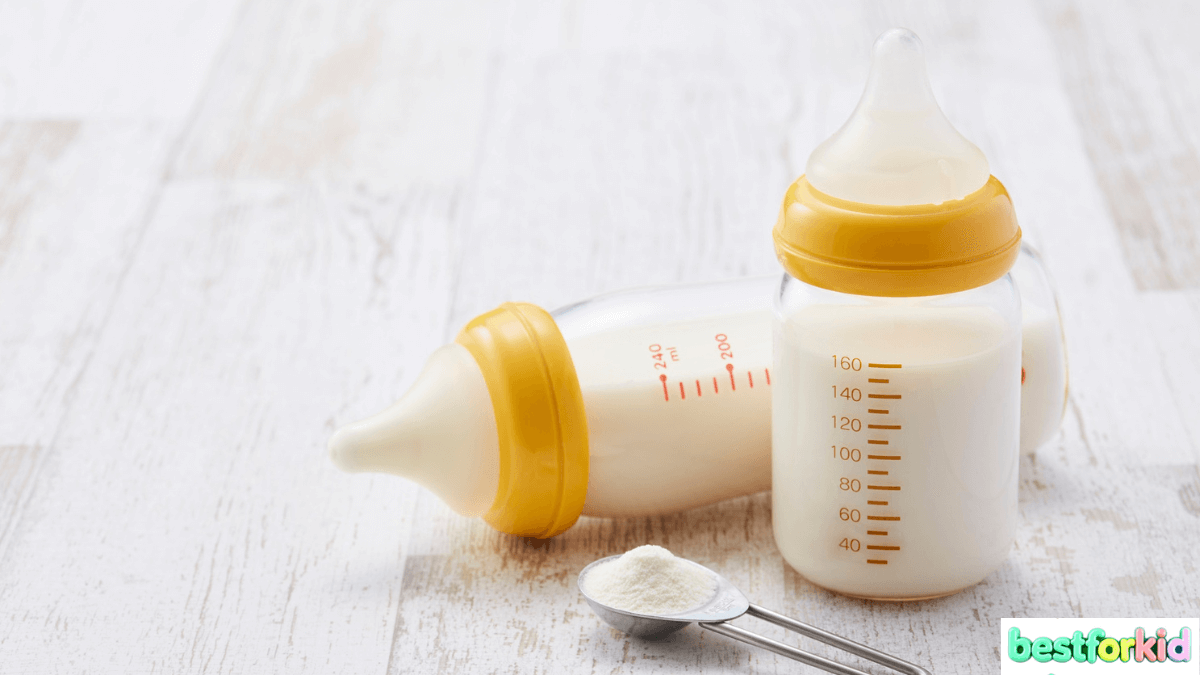
Welcoming a new baby into your life is a journey filled with joy, love, and countless decisions. One of the most significant choices you’ll make as a new parent is how to nourish your little one. While breastfeeding is widely recommended, it’s not always possible or the chosen path for every family. This is where baby formula steps in, offering a nutritious alternative. However, the process of finding the best milk powder can feel overwhelming. The shelves are lined with numerous brands, each promising the best for your baby. This comprehensive guide is here to help Indian parents navigate the world of baby formula. We’ll break down everything you need to know, from the different types of formula to understanding the key nutrients. Our goal is to empower you with the knowledge to make an informed decision, ensuring your baby gets the best possible start in life. Let’s embark on this journey together, making the process of choosing the right milk powder a little less daunting and a lot more confident.
Why is Choosing the Right Formula So Important?
A baby’s first year is a period of incredible growth and development. Their tiny bodies are working overtime, building everything from a strong immune system to a rapidly developing brain. To fuel this amazing progress, they require a very specific and delicate balance of nutrients. Breast milk is nature’s perfect food for babies, providing all the essential vitamins, minerals, proteins, fats, and carbohydrates in the ideal proportions. Baby formula is scientifically designed to mimic the nutritional composition of breast milk as closely as possible. Therefore, selecting a high-quality formula is crucial for your baby’s health and well-being. It’s not just about filling their tummy; it’s about providing the fundamental building blocks for a healthy future. A good formula supports everything from cognitive function and vision development to strong bones and a resilient immune system. When breastfeeding isn’t an option, the right formula ensures your baby doesn’t miss out on this vital nutrition. It gives you peace of mind, knowing that you are providing for their every developmental need.
Decoding the Different Types of Baby Formula
Walking down the baby formula aisle can feel like entering a whole new world with its own language. To make an informed choice, it’s essential to understand the different types of formula available. Each type is designed to cater to the varying needs of babies. Let’s explore the most common options you’ll find in the Indian market.
Cow’s Milk-Based Formula
This is the most common and widely used type of infant formula, accounting for about 80% of the market. As the name suggests, its primary ingredient is cow’s milk that has been modified to be more suitable for a baby’s digestive system. The protein in regular cow’s milk is difficult for infants to digest, so in formula, it’s altered to be more like the protein found in breast milk. These formulas contain two main types of protein: whey and casein. They are fortified with iron and other essential vitamins and minerals to meet a baby’s complete nutritional needs. Most healthy, full-term babies do well on cow’s milk-based formula. Popular brands in India like Nestle, Aptamil, and Similac offer excellent cow’s milk-based options.
Soy-Based Formula
For babies who have a proven allergy to the protein in cow’s milk or are lactose intolerant, soy-based formula can be a good alternative. This type of formula uses soy protein instead of milk protein. It is also a suitable option for families who follow a vegan diet. It’s important to note that some babies who are allergic to cow’s milk may also be allergic to soy. Therefore, it’s always best to consult your pediatrician before switching to a soy-based formula. These formulas are also fortified with all the necessary nutrients for a baby’s healthy growth.
Hydrolyzed Formula (Hypoallergenic)
If your baby has a confirmed milk protein allergy or significant digestive issues, your pediatrician might recommend a hydrolyzed formula. In these formulas, the protein has been broken down into smaller, more easily digestible particles. This makes it less likely to trigger an allergic reaction. There are two types: partially hydrolyzed and extensively hydrolyzed. Partially hydrolyzed formulas are often marketed for babies with fussiness or gas, while extensively hydrolyzed formulas are for those with more severe allergies. Brands like Enfamil Nutramigen and Similac Alimentum are well-known hypoallergenic formulas.
Specialized Formulas
Some babies have unique nutritional needs that require specialized formulas. For instance, premature babies often need formulas that are higher in calories and certain nutrients to support their catch-up growth. There are also formulas designed for babies with specific metabolic disorders. These formulas should only be used under the strict guidance of a pediatrician or a neonatal specialist. They are carefully formulated to manage specific health conditions while providing complete nutrition.
Organic and Goat Milk Formulas
In recent years, organic and goat milk formulas have gained popularity among Indian parents. Organic formulas are made from milk produced without the use of synthetic pesticides, fertilizers, or growth hormones. Brands like HiPP Organic and Kendamil Organic are popular choices in this category. Goat milk formula is another alternative for babies who may be sensitive to cow’s milk. The protein structure in goat’s milk is slightly different and can sometimes be easier for some babies to digest. Kendamil is a brand that offers goat milk-based formula. While these options can be excellent, they are often more expensive. It’s important to ensure they are fortified with all the necessary nutrients, just like other standard formulas.
Key Nutrients to Look For in Baby Milk Powder
When you’re comparing different formula brands, the list of ingredients can seem long and complex. However, there are a few key nutrients that are particularly important for your baby’s development. Here’s what you should look out for on the label:
- DHA and ARA: Docosahexaenoic acid (DHA) and arachidonic acid (ARA) are long-chain polyunsaturated fatty acids that are crucial for brain and eye development. Breast milk naturally contains both of these, and most formulas in India are now fortified with them to support your baby’s cognitive and visual growth.
- Iron: Iron is a vital mineral that plays a key role in the production of red blood cells and helps prevent anemia. It is also essential for healthy brain development. The American Academy of Pediatrics recommends that all formula-fed babies receive an iron-fortified formula.
- Prebiotics and Probiotics: These are often called “good bacteria” and their food source. Prebiotics are non-digestible fibers that promote the growth of beneficial bacteria in the gut, while probiotics are the live beneficial bacteria themselves. They work together to support a healthy digestive system and a strong immune system. Many formulas now include prebiotics like GOS and FOS, and probiotics like Bifidobacterium.
- Vitamins and Minerals: A good quality formula will be fortified with a wide range of essential vitamins and minerals to support overall growth. Key ones to look for include Vitamin A for vision and immune function, Vitamin C for immunity and iron absorption, Vitamin D for strong bones, and Calcium for bone and tooth development.
A Guide to Popular Baby Formula Brands in India
Choosing a brand can be one of the most challenging parts of finding the best milk powder. In India, you’ll find a mix of well-established international brands and trusted domestic names. Here’s a look at some of the popular choices:
Aptamil
Aptamil is a globally recognized brand known for its scientifically advanced formulas. Their products often contain a blend of prebiotics (GOS/FOS) to support gut health and are enriched with DHA and ARA for brain development. Aptamil offers a range of formulas for different stages of a baby’s growth, from newborns to toddlers.
Enfamil
Enfamil is another leading brand that is often recommended by pediatricians. They are known for their focus on brain-building nutrients like DHA. Enfamil also offers a variety of specialized formulas, including options for gassy babies (Enfamil Gentlease) and those with milk protein allergies (Enfamil Nutramigen).
Similac
Similac is a trusted brand with a long history of providing infant nutrition. Their formulas are designed to be close to breast milk and often include a unique blend of nutrients called OptiGRO, which includes DHA, lutein, and vitamin E to support brain and eye development. Similac also has options for sensitive tummies and other special needs.
Nestle NAN
Nestle is a household name in India, and their NAN range of formulas is a popular choice for many parents. NAN Pro formulas contain a unique protein blend called OptiPRO that is designed to be easy to digest. They are also fortified with DHA, ARA, and probiotics to support overall development and a healthy immune system.
HiPP Organic
For parents who prefer an organic option, HiPP is a well-regarded German brand available in India. Their formulas are made from organic milk and are free from GMOs, synthetic pesticides, and artificial preservatives. HiPP formulas also contain prebiotics and essential fatty acids.
Kendamil
Kendamil is a British brand that has gained popularity for its use of whole milk in its formulas, providing a natural source of fat. They offer both organic and classic formulas, as well as a goat milk-based option. Kendamil is also known for being palm oil-free.
How to Prepare Baby Formula Safely: A Step-by-Step Guide
Preparing your baby’s bottle correctly is just as important as choosing the right formula. Improper preparation can lead to your baby not getting enough nutrients or, in some cases, becoming ill. Here’s a simple, step-by-step guide to ensure every bottle is safe and nutritious.
Step 1: Cleanliness is Key
Before you do anything else, wash your hands thoroughly with soap and water. Also, make sure the surface where you’ll be preparing the formula is clean. All feeding equipment—bottles, nipples, caps, and rings—should be sterilized before the first use by boiling them in water for five minutes. After each use, wash them with hot, soapy water and a bottle brush, or run them through a dishwasher with a hot water and heated drying cycle.
Step 2: Water Matters
Always use water from a safe source. In India, it’s highly recommended to boil fresh tap water for at least one minute and then let it cool. The water should be no cooler than 70°C to kill any harmful bacteria that might be in the formula powder. Alternatively, you can use boiled water that has cooled to room temperature. Never use water that has been previously boiled.
Step 3: Measuring Correctly
Read the instructions on the formula tin carefully, as the water-to-powder ratio can vary between brands. Always add the water to the bottle first, then the powder. Use the scoop provided with the formula tin and level off each scoop with a clean, dry knife. Adding too much powder can cause constipation and dehydration, while adding too little can mean your baby isn’t getting enough nutrition.
Step 4: Mixing and Temperature Check
Once you’ve added the powder to the water, screw on the cap and shake the bottle well until the powder is completely dissolved. Before feeding your baby, it’s crucial to test the temperature of the formula. A few drops on the inside of your wrist should feel lukewarm, not hot. If the formula is too hot, you can cool the bottle by holding it under cold running water.
Step 5: Storing Prepared Formula
Prepared formula should be used within two hours of preparation if it’s kept at room temperature. If you don’t plan to use it right away, it should be stored in the refrigerator and used within 24 hours. Discard any leftover formula from a feed, as bacteria from your baby’s mouth can contaminate it.
Common Concerns: Formula Intolerance and Allergies
It’s natural to worry about how your baby will react to a new formula. While most babies adjust well, some may experience intolerance or an allergic reaction. Knowing the signs can help you address the issue quickly.
Tummy Troubles: Spotting the Signs of Intolerance
Formula intolerance is a sensitivity to an ingredient in the formula, which can irritate your baby’s developing digestive system. It’s different from a true allergy. Signs of intolerance can include:
- Excessive gas and bloating, especially after feedings.
- Increased fussiness or crying that seems related to discomfort.
- Frequent spitting up or vomiting.
- Changes in stool, such as diarrhea or constipation.
- Pulling their legs up towards their belly, which can indicate pain.
These symptoms can also be a normal part of a baby’s digestive development, so it’s important not to jump to conclusions. However, if the symptoms are persistent, it’s a good idea to speak with your pediatrician.
Allergic Reactions: What to Watch For
A formula allergy is an immune system response to the protein in the formula, most commonly cow’s milk protein. It affects about 2-3% of children under the age of three. The signs of an allergic reaction can be more severe and may include:
- Skin reactions like hives (itchy red bumps) or an eczema-like rash.
- Vomiting or diarrhea, which may contain blood or mucus.
- Respiratory symptoms like persistent congestion, coughing, or wheezing.
- Swelling of the lips, tongue, or throat.
If you notice any of these signs, especially breathing difficulties, you should seek medical attention immediately.
What to Do if You Suspect a Problem
If you’re concerned that your baby is not tolerating their formula or might have an allergy, the first and most important step is to consult your pediatrician. They can properly diagnose the issue and recommend the best course of action. This might involve switching to a different type of formula, such as a hypoallergenic or soy-based option.
Switching Between Baby Formulas: A Smooth Transition Guide
There are several reasons why you might need to switch your baby’s formula. Perhaps your pediatrician recommended a different type for a suspected allergy, or maybe the brand you were using is out of stock. Whatever the reason, it’s generally safe to switch formulas, but a gradual transition is often best to avoid upsetting your baby’s delicate digestive system.
Most experts recommend a phased approach over several days. Here’s a simple plan you can follow:
- Days 1-2: Start by mixing 75% of the old formula with 25% of the new formula for all feeds.
- Days 3-4: If your baby is tolerating the mix well, move to a 50/50 mix of old and new formula.
- Days 5-6: Now, you can try a mix of 25% old formula and 75% new formula.
- Day 7: By this point, you can likely switch completely to the new formula.
During the transition, keep a close eye on your baby for any changes in their feeding habits, stool, or general mood. Some minor changes, like a different stool color or a bit of gas, are normal and should resolve within a few days. However, if your baby seems particularly fussy or uncomfortable, you can slow down the transition process. Always remember to consult your pediatrician before making any changes to your baby’s diet.
Combination Feeding: Breast Milk and Formula Together
Combination feeding, or supplementing breastfeeding with formula, is a common choice for many families. It can offer flexibility, allow partners to be more involved in feedings, and help if there are concerns about milk supply. If you’re considering combination feeding, here are a few tips for a successful experience:
- Establish Breastfeeding First: If possible, it’s often recommended to wait until your baby is a few weeks old and breastfeeding is well-established before introducing a bottle. This can help prevent nipple confusion.
- Choose the Right Time: Try offering the first bottle of formula when your baby is relaxed and not overly hungry.
- Paced Bottle Feeding: This technique mimics the flow of breastfeeding, giving your baby more control over the feeding pace. Keep the bottle horizontal and allow your baby to take breaks.
- Maintain Your Milk Supply: If you want to continue breastfeeding, it’s important to pump whenever your baby has a formula feed to maintain your milk supply.
Combination feeding can be a great way to get the best of both worlds. It allows your baby to continue receiving the benefits of breast milk while giving you the flexibility and support of formula feeding.
Reading the Label: Understanding Baby Formula Packaging
The information on a baby formula tin can be a bit intimidating at first glance, but it’s there to help you. Here’s a quick guide to what you’ll find:
- Product Name and Brand: This is the most prominent information on the tin.
- Stage: Formulas are typically categorized by age. Stage 1 is for newborns from birth to 6 months. Stage 2 is a follow-up formula for babies from 6 to 12 months. Stage 3 is usually a toddler milk for children over one year.
- Type of Formula: The label will indicate if it’s cow’s milk-based, soy-based, hypoallergenic, etc.
- Nutritional Information: This panel will list the amounts of protein, fat, carbohydrates, vitamins, and minerals per serving. It will also highlight key additions like DHA, ARA, and prebiotics.
- Preparation Instructions: This is a critical section that provides step-by-step guidance on how to mix the formula correctly.
- “Use By” Date: Always check the expiration date before purchasing or using the formula.
Taking a few moments to understand the label can help you feel more confident in your choice and ensure you’re preparing it safely.
Conclusion
Choosing the right baby formula is a significant decision, but it doesn’t have to be a stressful one. By understanding the different types of formula, knowing which key nutrients to look for, and following safe preparation practices, you can confidently provide your baby with the nourishment they need to thrive. Remember that every baby is unique, and what works for one may not work for another. The journey of finding the best milk powder is about finding what’s best for your little one. Brands like Aptamil, Enfamil, Similac, and Nestle offer a wide range of high-quality options to suit different needs. Whether you choose a cow’s milk-based, organic, or specialized formula, the most important factor is that your baby is happy, healthy, and growing well. Always trust your parental instincts, and never hesitate to reach out to your pediatrician with any questions or concerns. They are your best resource and partner in ensuring your baby’s healthy start in life. For more detailed information, you can also visit official government resources like RCH Portal, POSHAN Abhiyaan, and the National Health Mission Immunization Page.
Frequently Asked Questions (FAQ)
What is the best formula milk for a 0-6 month old baby in India?
For babies aged 0-6 months, Stage 1 infant formulas are the most appropriate. Popular and trusted options in India include Aptamil Stage 1, Nan Pro 1, and Enfamil A+ Stage 1. These formulas are designed to be gentle on a newborn’s digestive system and provide complete nutrition for their early development.
Can I switch baby formula brands?
Yes, it is generally safe to switch formula brands. Most standard formulas are nutritionally similar. However, it’s best to introduce the new formula gradually over a week to allow your baby’s digestive system to adjust. If your baby is on a specialized or hypoallergenic formula, consult your pediatrician before making any changes.
How do I know if my baby is allergic to the formula?
Signs of a formula allergy can include skin rashes like hives or eczema, persistent vomiting or diarrhea (which may contain blood), and respiratory issues like coughing or wheezing. If you suspect an allergy, it’s crucial to contact your pediatrician immediately.
Is it okay to mix different formula brands?
During a gradual transition period, it is okay to mix two different brands of the same type of formula (e.g., two standard cow’s milk-based formulas). However, it is not generally recommended to mix them long-term. Stick to one brand once your baby has adjusted.
How long can I store prepared formula?
Prepared formula can be kept at room temperature for up to two hours. If not used immediately, it should be refrigerated and used within 24 hours. Any formula left in the bottle after a feed should be discarded.
When should I move from Stage 1 to Stage 2 formula?
Stage 1 formula is designed for babies from birth to 6 months. Stage 2, or follow-up formula, is for babies from 6 to 12 months. You should switch to Stage 2 formula when your baby reaches 6 months of age, as it is formulated to meet the changing nutritional needs of older infants.
Are expensive formulas better?
Not necessarily. All infant formulas sold in the U.S., and similarly regulated in India, must meet strict nutritional standards to ensure they are safe and provide complete nutrition for babies. While some more expensive formulas may contain additional ingredients like organic milk or specific prebiotics, a standard, more affordable formula can be just as healthy for your baby. The best formula is the one that your baby tolerates well and that fits your budget.
Table of Contents
Recent Articles :




You May Also Like
2025’s Best Baby Diapers in India Every Parent Should Know
Finding the right diaper can be a game-changer for both parents and babies. In this guide, we’ve rounded up the best baby diapers in India for 2025 that offer superior comfort, absorbency, and skin protection. Whether you’re looking for budget-friendly options or premium brands, this list helps you make the right choice for your little one’s needs.
Newborn Clothing Made Easy: Comfort Meets Practicality
Dressing your newborn doesn’t have to be complicated. This guide simplifies your shopping by focusing on clothes that are soft, breathable, and easy to wear. Discover top picks for rompers, onesies, and sleepwear that combine comfort with convenience—perfect for your baby’s delicate skin and your daily routine.
10 Best Baby Play Mats for Comfort, Safety & Entertainment
A good play mat offers more than just a soft surface—it encourages sensory development, tummy time, and safe play. We’ve curated the best baby play mats of 2025 that tick all the boxes: comfort, safety, durability, and design. Explore options that turn your floor into a fun and nurturing environment for your baby.