
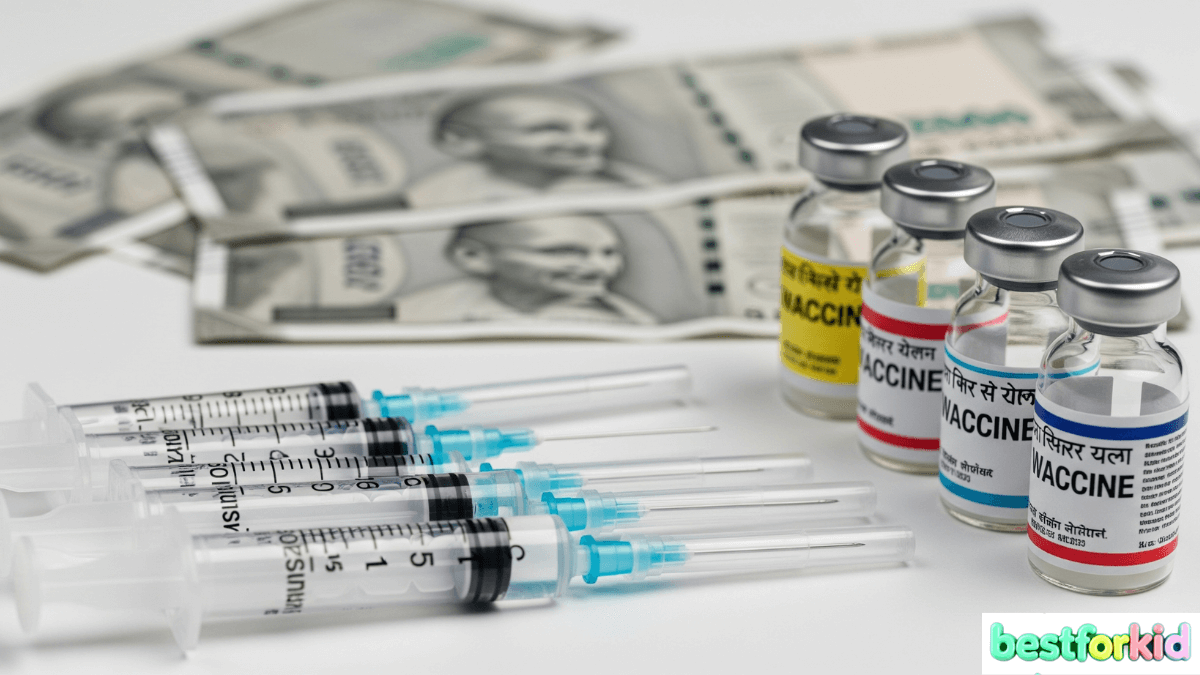
In the vast landscape of healthcare, few interventions are as powerful and cost-effective as vaccinations. They are the silent guardians of our health, working tirelessly to protect us from a multitude of infectious diseases. For parents in India, navigating the world of immunisations can often feel overwhelming. Questions about which shots are necessary, when they should be given, and how much they cost are common. This comprehensive guide is here to demystify the process. We will explore the common vaccines available in India, their schedules, and their approximate prices, empowering you to make informed decisions for your family’s well-being. Understanding these common vaccines and their prices is the first step towards ensuring a healthy future for your loved ones.
Why Vaccination is Your Child's Best Shield
Vaccination is a simple, safe, and effective way of protecting people against harmful diseases before they come into contact with them. It uses your body’s natural defenses to build resistance to specific infections and makes your immune system stronger. Vaccines train your immune system to create antibodies, just as it does when it’s exposed to a disease. However, because vaccines contain only killed or weakened forms of germs like viruses or bacteria, they do not cause the disease or put you at risk of its complications. Most vaccines are given by an injection, but some are given orally (by mouth) or sprayed into the nose.
Think of vaccines as a protective shield for your child. They are a crucial part of early childhood healthcare, significantly reducing the risk of outbreaks of potentially life-threatening infections like measles, polio, whooping cough, and hepatitis B. By following the recommended vaccination timeline, parents can provide their children with long-term protection. This careful scheduling, guided by India’s Universal Immunisation Programme, helps ensure your little one grows up healthy and strong, shielded from many preventable diseases.
Understanding India's National Immunisation Schedule (NIS)
The Government of India provides a framework for vaccination through the National Immunisation Schedule (NIS). This schedule lists the essential vaccines that are administered free of cost at government health facilities across the country. The goal is to ensure that every child, regardless of their economic background, has access to life-saving immunisations. Following this schedule is vital for building a strong foundation of immunity during the crucial early years of life.
While the government program is extensive, some vaccines are not included in the NIS but are recommended by pediatricians for enhanced protection. These are often available in private hospitals and clinics. This guide will cover both the vaccines under the national schedule and these optional, yet important, ones.
A Detailed Look at Common Vaccines for Infants and Children
The first few years of a child’s life are critical for building immunity. A series of vaccines are administered starting from birth to protect them from various illnesses. Here’s a breakdown of the common vaccines, their purpose, and their estimated costs in the private sector. Please note that prices are approximate and can vary based on the brand, hospital, and city.
At Birth: The First Line of Defense
Right after birth, a newborn receives their first set of vaccines, which are crucial for early protection.
BCG (Bacillus Calmette-Guérin) Vaccine: This vaccine protects against tuberculosis (TB), a serious bacterial infection that primarily affects the lungs.
Price: In government hospitals, it is free. In private settings, the cost can be around ₹49.89.
Hepatitis B Vaccine (Birth Dose): This is the first of a series of shots to prevent Hepatitis B, a viral infection that attacks the liver and can lead to chronic liver disease or cancer.
Price: The cost for the birth dose is approximately ₹175 to ₹200.
Oral Polio Vaccine (OPV – 0 Dose): This is the initial dose to protect against poliomyelitis, a crippling viral disease.
Price: While free in government programs, the price in private clinics can be around ₹275.
6, 10, and 14 Weeks: Building a Strong Immune Foundation
This period involves a series of combination vaccines that protect against multiple diseases in a single shot, reducing the number of injections for the baby.
DTwP/DTaP Vaccine (Diphtheria, Tetanus, and Pertussis): This combination vaccine protects against three serious diseases: Diphtheria (a severe throat infection), Tetanus (lockjaw), and Pertussis (whooping cough). The DTaP vaccine is an acellular version that generally has fewer side effects.
Price: The cost varies widely, from ₹70 for DTwP to ₹850 for DTaP per dose. A booster dose at 18 months can cost around ₹900.
Inactivated Polio Vaccine (IPV): Given as an injection, IPV provides protection against polio. It is often given in combination with other vaccines.
Price: A single dose of IPV can cost around ₹700 to ₹750.
Hepatitis B Vaccine (2nd and 3rd Doses): These doses continue to build immunity against Hepatitis B.
Price: The cost for these subsequent doses is typically between ₹175 and ₹200 each.
Haemophilus influenzae type b (Hib) Vaccine: This vaccine protects against serious infections caused by Hib bacteria, such as meningitis, pneumonia, and epiglottitis.
Price: Each dose can cost between ₹600 and ₹850.
Rotavirus Vaccine: This oral vaccine is crucial for preventing rotavirus, a common cause of severe diarrhea and dehydration in young children.
Price: The price per dose ranges from ₹800 to ₹2,000, depending on the brand like Rotarix, Rotavac, or Rotasiil.
Pneumococcal Conjugate Vaccine (PCV): This vaccine protects against diseases caused by the pneumococcus bacterium, including pneumonia, meningitis, and blood infections.
Price: This is one of the more expensive vaccines, with prices ranging from ₹1,800 to ₹3,800 per dose for brands like Prevenar 13 and Synflorix.
9 to 12 Months: Important First-Year Milestones
As your baby approaches their first birthday, some more key vaccines are introduced.
MMR Vaccine (Measles, Mumps, and Rubella): This is a crucial combination vaccine that protects against three common childhood viral diseases. Measles causes fever and a rash, Mumps leads to swollen glands, and Rubella (German measles) can cause serious birth defects if a pregnant woman gets infected.
Price: The cost for the first dose of the MMR vaccine typically ranges from ₹155 to ₹600.
Typhoid Conjugate Vaccine (TCV): This vaccine provides protection against typhoid fever, a bacterial infection spread through contaminated food and water.
Price: The cost for a TCV dose is generally between ₹1,350 and ₹2,000.
12 to 24 Months: Toddlerhood Immunisations
As your child grows, booster shots and new vaccines are needed to maintain and broaden their immunity.
Hepatitis A Vaccine: This vaccine protects against Hepatitis A, another viral infection that affects the liver and is spread through contaminated food and water. Two doses are recommended, given 6 months apart.
Price: Each dose costs approximately ₹1,000 to ₹1,400.
MMR (2nd Dose): A second dose of the MMR vaccine is given to ensure long-lasting immunity.
Price: The cost for the second dose is similar to the first, around ₹550.
DTwP/DTaP (First Booster): A booster dose is given to reinforce protection against diphtheria, tetanus, and pertussis.
Price: The booster dose costs around ₹900.
Varicella (Chickenpox) Vaccine: This protects against the highly contagious chickenpox virus. Two doses are recommended.
Price: The price for each dose can vary, but it’s an important optional vaccine.
Vaccines for Older Children and Adolescents
Vaccination doesn’t stop after toddlerhood. Several important vaccines and boosters are recommended for older children and teenagers to protect them as they grow.
DTwP/DTaP (Second Booster): This booster is typically given between 4-6 years of age to maintain immunity.
Price: The cost is around ₹900.
Tdap/Td Vaccine: This vaccine is recommended for adolescents around 10-12 years of age. It’s a booster for tetanus and diphtheria, with the Tdap version also providing protection against pertussis.
Price: The Tdap vaccine costs approximately ₹1,150.
Human Papillomavirus (HPV) Vaccine: This is a critical vaccine for preventing certain types of cancer later in life, most notably cervical cancer in women. It is recommended for both girls and boys, ideally between the ages of 9 and 14.
Price: The cost of the HPV vaccine varies significantly by brand. The Indian-made Cervavac costs around ₹2,000 per dose. Gardasil, which protects against four HPV types, is priced between ₹2,000 and ₹4,000 per dose. Gardasil 9, which offers the broadest protection against nine types, is the most expensive, costing up to ₹10,850 per dose.
Important Vaccines for Adults
Immunity can wane over time, and some vaccines are specifically recommended for adults, especially those with certain health conditions or lifestyle risks.
Influenza (Flu) Vaccine: The flu virus changes every year, so an annual flu shot is recommended for everyone, especially children, the elderly, and people with chronic health issues.
Price: The cost of a flu shot typically ranges from ₹1,500 to ₹2,000.
Pneumonia Vaccine: For adults, especially those over 65 or with underlying health conditions, a pneumonia vaccine is recommended to protect against pneumococcal disease.
Price: The price for adults is generally between ₹2,500 and ₹4,500 per dose. Brands like Pneumovax 23 and Prevenar 13 are available.
Hepatitis B Vaccine: Adults who were not vaccinated as children should consider getting the Hepatitis B vaccine series.
Price: The cost can vary widely, from as low as ₹55 to over ₹700 depending on the brand and clinic.
Travel Vaccinations: Protecting Yourself Abroad
If you are travelling outside of India, you may need additional vaccinations depending on your destination and the nature of your trip. It is crucial to consult a doctor or a travel health clinic at least 4-6 weeks before your departure.
Yellow Fever Vaccine: This is mandatory for entry into several countries in Africa and South America.
Price: The cost can be around £70 in the UK, so prices in India would be comparable.
Japanese Encephalitis Vaccine: Recommended for travellers spending extended time in rural areas of Asia where the disease is common. It is a mosquito-borne viral brain infection.
Price: This can be an expensive vaccine, costing around £95 per dose.
Meningococcal Vaccine: This vaccine protects against meningococcal meningitis, a serious bacterial infection. It is often required for students travelling abroad for studies and for pilgrims travelling for Hajj.
Price: The cost in India for a single dose can range from ₹4,000 to ₹6,000.
Rabies Vaccine: Recommended for travellers who may be in close contact with animals, especially in rural areas.
Price: The cost can be around £80 per dose.
Cholera Vaccine: This may be recommended for travellers visiting areas with poor sanitation.
Price: The price is approximately £40 per dose.
Factors Influencing Vaccine Prices in India
The cost of vaccines in the private market can vary significantly. Several factors contribute to this price difference:
- Brand and Manufacturer: Vaccines from multinational companies are often more expensive than those produced by Indian manufacturers.
- Type of Vaccine: Combination vaccines (e.g., 6-in-1 shots) can be more expensive upfront but may be more cost-effective in the long run by reducing the number of doctor visits.
- Hospital or Clinic Charges: Private hospitals and clinics add their administration and consultation fees to the cost of the vaccine.
- Location: Prices can be higher in major metropolitan cities compared to smaller towns.
- Import Costs: For vaccines that are not manufactured in India, import duties and logistics add to the final price.
Government vs. Private Vaccination: Making the Right Choice
Parents in India have the choice between getting their children vaccinated at government facilities or private clinics. Government hospitals and primary health centres offer vaccines under the Universal Immunisation Programme (UIP) for free. This is a fantastic initiative that ensures essential vaccines reach every child. However, the UIP may not include some of the newer or optional vaccines like PCV, Rotavirus, and HPV in all areas. Private hospitals offer a wider range of vaccines, including the latest combination shots, which can mean fewer injections for the baby. The convenience, shorter waiting times, and brand choice are other reasons parents might opt for private healthcare. The decision ultimately depends on a family’s budget, accessibility, and the specific vaccines they want for their child.
The Future of Vaccination in India
The Indian vaccine market is growing rapidly and is projected to be worth ₹252 billion by 2025. The country has shown its strength in vaccine development and manufacturing, especially with the creation of indigenous vaccines for COVID-19 and HPV. Initiatives like “Mission Covid Suraksha” have not only delivered life-saving vaccines but have also strengthened the country’s infrastructure for future vaccine development. This focus on preventive healthcare and self-reliance means we can expect more affordable and accessible vaccines for a wider range of diseases in the coming years. The government is also taking steps to include more vaccines, like the HPV vaccine, in the universal immunisation program, which will be a major step forward in public health.
Conclusion
Navigating the world of vaccines is a vital responsibility for every parent and individual. Understanding the different types of vaccines, their schedules, and their costs is key to protecting yourself and your community from preventable diseases. While the cost of some vaccines in the private sector can seem high, it is a small price to pay for the long-term health and well-being they provide. India’s robust immunisation program, coupled with a thriving private healthcare sector, offers a range of options to suit every family’s needs. By staying informed and following the recommended vaccination guidelines, we can all contribute to a healthier, disease-free future for generations to come. Remember to always consult with your pediatrician or healthcare provider to create the most appropriate vaccination plan for your child. For more detailed information, you can also visit official government resources like RCH Portal, POSHAN Abhiyaan, and the National Health Mission Immunization Page.
Frequently Asked Questions (FAQ)
Q: Are vaccines given in government hospitals safe and effective?
A: Yes, the vaccines provided under the government’s Universal Immunisation Programme are safe, effective, and of high quality. They undergo rigorous testing and are a crucial part of India’s public health strategy.
Q: Why are some vaccines so much more expensive than others?
A: The price of a vaccine is influenced by research and development costs, the complexity of the manufacturing process, whether it’s imported, and the type of vaccine. Newer and combination vaccines tend to be more expensive.
Q: What are combination vaccines and are they better?
A: Combination vaccines protect against multiple diseases with a single injection. For example, the 6-in-1 vaccine protects against Diphtheria, Tetanus, Pertussis, Polio, Hib, and Hepatitis B. They are beneficial as they reduce the number of shots a child needs, which can mean less pain and distress.
Q: Is it necessary to get the optional vaccines?
A: While not part of the mandatory government schedule everywhere, optional vaccines like those for Pneumococcal disease, Rotavirus, and HPV are highly recommended by pediatricians as they protect against very common and serious illnesses.
Q: What should I do if my child misses a vaccine dose?
A: If your child misses a dose, you don’t need to start the series over again. Contact your doctor as soon as possible to schedule the missed dose and get back on track with the immunisation schedule.
Q: Can adults get vaccinated?
A: Absolutely. Adults need vaccinations too. Boosters for tetanus and diphtheria are recommended, as is the annual flu shot. Other vaccines like HPV, Pneumonia, and Hepatitis B are also important for adults depending on their age, health status, and vaccination history.
Q: Where can I find the most accurate vaccine prices?
A: Vaccine prices can change. The best way to get accurate, current pricing is to contact your local hospital or clinic directly. The prices listed in this guide are estimates to give you a general idea.
Q: Is the HPV vaccine only for girls?
A: No, the HPV vaccine is recommended for both boys and girls. In boys, it helps prevent genital warts and certain types of cancers. Vaccinating boys also helps reduce the overall spread of the virus.
Table of Contents
Recent Articles :



You May Also Like
2025’s Best Baby Diapers in India Every Parent Should Know
Finding the right diaper can be a game-changer for both parents and babies. In this guide, we’ve rounded up the best baby diapers in India for 2025 that offer superior comfort, absorbency, and skin protection. Whether you’re looking for budget-friendly options or premium brands, this list helps you make the right choice for your little one’s needs.
Newborn Clothing Made Easy: Comfort Meets Practicality
Dressing your newborn doesn’t have to be complicated. This guide simplifies your shopping by focusing on clothes that are soft, breathable, and easy to wear. Discover top picks for rompers, onesies, and sleepwear that combine comfort with convenience—perfect for your baby’s delicate skin and your daily routine.
10 Best Baby Play Mats for Comfort, Safety & Entertainment
A good play mat offers more than just a soft surface—it encourages sensory development, tummy time, and safe play. We’ve curated the best baby play mats of 2025 that tick all the boxes: comfort, safety, durability, and design. Explore options that turn your floor into a fun and nurturing environment for your baby.