
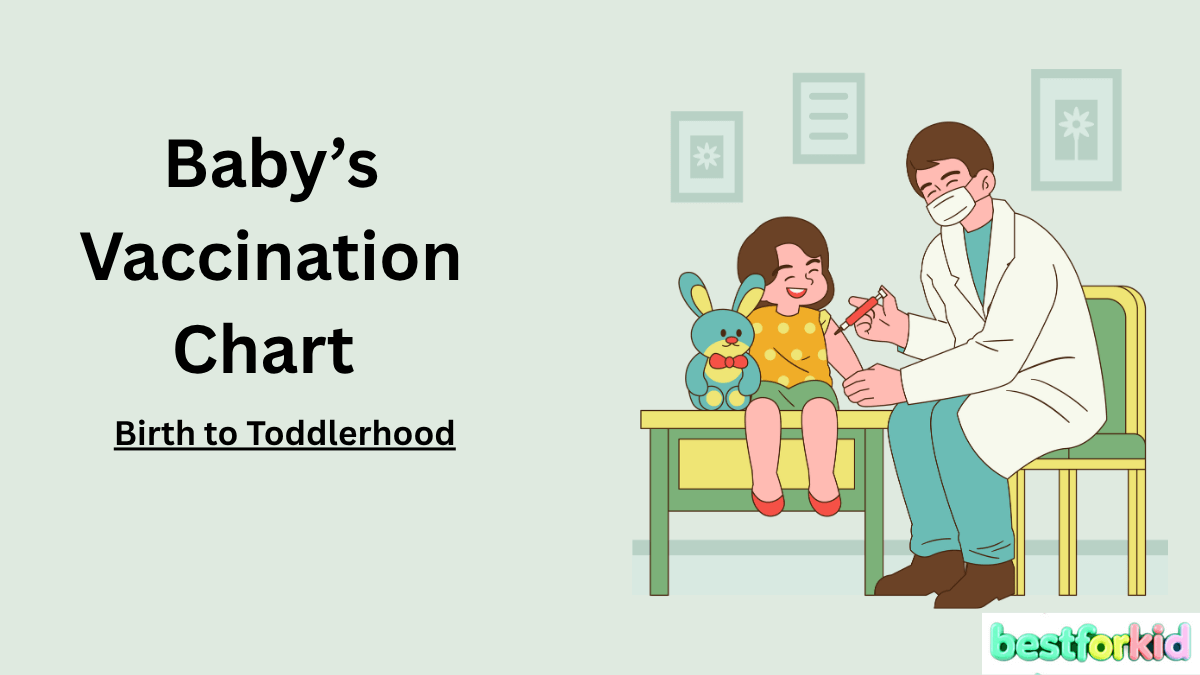
Welcome to the beautiful journey of parenthood! As you cuddle your little one, your mind is likely filled with dreams, hopes, and a long list of questions. Among the most important tasks on your new-parent checklist is ensuring your baby’s health and well-being. A cornerstone of this protection is timely immunization. Understanding your baby’s vaccination chart is the first step towards safeguarding them from a host of preventable diseases. This guide is designed for Indian parents, offering a clear and simple roadmap to track your baby’s shots from their first day to their toddler years. Following this schedule is one of the most significant gifts of health you can give your child.
Why is Vaccination So Crucial for Your Baby?
As a new parent, it’s natural to have questions about every aspect of your baby’s care, including vaccinations. Understanding why they are so vital can provide peace of mind and reinforce your decision to follow the recommended schedule. At its core, vaccination is a simple and effective way to protect your child from serious illnesses.
Building a Strong Defence System
Newborn babies have developing immune systems, which makes them incredibly vulnerable to infections. While they receive some temporary immunity from their mother at birth, this protection fades within the first year. Vaccines work by introducing a tiny, weakened, or inactive part of a germ to your baby’s body. This prompts their immune system to create antibodies—special proteins that learn to recognize and fight off the specific disease. It’s like a training session for their immune system, preparing it to defeat the real enemy if it ever attacks. This process helps your child develop long-lasting immunity without having to experience the illness itself.
Protection Against Serious Diseases
The diseases that vaccines prevent are not minor ailments. Illnesses like polio, measles, tetanus, and diphtheria can lead to severe complications, including paralysis, pneumonia, brain damage, and even death. Thanks to widespread immunization, many of these once-feared diseases are now rare. However, the germs that cause them still exist and can infect anyone who isn’t protected. Sticking to the baby’s vaccination chart ensures your child is shielded when they are most vulnerable.
The Power of Community Immunity (Herd Immunity)
When you vaccinate your child, you’re not just protecting them; you are also protecting your community. This concept is known as herd immunity. When a high percentage of the population is vaccinated, it becomes difficult for infectious diseases to spread. This protects the most vulnerable members of our society who cannot get vaccinated, such as newborns who are too young for certain shots, elderly individuals, and people with weakened immune systems due to illnesses like cancer.
Safety and Efficacy of Vaccines
Vaccines are one of the safest medical interventions available. They undergo years of rigorous testing for safety and effectiveness before they are approved for public use. In India, health authorities like the Central Drugs Standard Control Organisation (CDSCO) ensure that every vaccine meets strict safety standards. Once in use, they are continuously monitored to ensure their safety. The protection offered by vaccines far outweighs the risk of mild and temporary side effects.
Understanding India's Vaccination Programs
In India, parents have access to robust vaccination programs designed to protect children from a wide array of diseases. There are primarily two schedules that parents and pediatricians refer to: the government-led National Immunization Programme and the more comprehensive schedule recommended by the Indian Academy of Paediatrics.
The National Immunization Programme (UIP)
The Universal Immunisation Programme (UIP) is a flagship public health initiative run by the Government of India. Its primary goal is to provide free, high-quality vaccines to all children and pregnant women across the country, regardless of their economic status. The UIP is one of the largest public health programs in the world and has been instrumental in reducing child mortality and controlling vaccine-preventable diseases in India.
Under the UIP, vaccines are provided against 12 life-threatening diseases:
- Tuberculosis (TB)
- Diphtheria
- Pertussis (Whooping Cough)
- Tetanus
- Polio
- Hepatitis B
- Measles
- Rubella
- Pneumonia and Meningitis due to Haemophilus influenzae type b (Hib)
- Rotavirus Diarrhoea (in select states)
- Japanese Encephalitis (JE) (in endemic districts)
- Pneumococcal diseases (sub-nationally)
These vaccines are available at all government health facilities, including primary health centres, community health centres, and government hospitals, completely free of cost.
The Indian Academy of Paediatrics (IAP) Schedule
The Indian Academy of Paediatrics (IAP) is the leading association of pediatricians in India. Each year, its Advisory Committee on Vaccines and Immunization Practices (ACVIP) releases a recommended immunization schedule. This schedule is based on the latest medical research, disease trends in India, and global best practices.
The IAP schedule is generally more comprehensive than the UIP. It includes all the vaccines from the national program plus several others that are classified as optional. These additional vaccines offer broader protection against a wider range of illnesses. Many pediatricians in private practice recommend following the IAP schedule to give children the most complete protection available. Parents often choose to follow this schedule in consultation with their doctor, especially if they seek healthcare in private hospitals.
Your Baby's Detailed Vaccination Chart: Birth to 5 Years
Keeping track of your baby’s shots can feel overwhelming. This detailed, age-by-age guide breaks down the vaccination schedule into simple, manageable stages. It covers the essential vaccines recommended from birth through early childhood, as per the guidelines from both the UIP and IAP. Remember to always consult your pediatrician for a personalized schedule for your child.
At Birth
Your baby’s journey of protection begins on their very first day.
- BCG (Bacillus Calmette-Guerin): This single-dose vaccine protects against Tuberculosis (TB), a serious bacterial infection that primarily affects the lungs.
- Oral Polio Vaccine (OPV – 0 Dose): This is the first dose to guard against Polio, a highly infectious viral disease that can cause paralysis.
- Hepatitis B (Birth Dose): This first shot protects against Hepatitis B, a viral infection that attacks the liver. It should be given within 24 hours of birth.
At 6 Weeks
This is a big appointment with several important first doses of combination vaccines.
- DTwP/DTaP (Diphtheria, Tetanus, and Pertussis) – 1st Dose: Protects against Diphtheria (sore throat, fever), Tetanus (lockjaw), and Pertussis (whooping cough).
- IPV (Inactivated Polio Vaccine) – 1st Dose: An injectable form of the polio vaccine for enhanced protection.
- Hepatitis B – 2nd Dose: The second shot to continue building immunity against Hepatitis B.
- Hib (Haemophilus influenzae type B) – 1st Dose: Protects against serious infections like meningitis and pneumonia.
- Rotavirus – 1st Dose: An oral vaccine that protects against Rotavirus, a common cause of severe diarrhea and vomiting in infants.
- PCV (Pneumococcal Conjugate Vaccine) – 1st Dose: Guards against pneumococcal bacteria, which can cause pneumonia, meningitis, and blood infections.
At 10 Weeks
This visit involves the second round of many of the same vaccines from the 6-week appointment.
- DTwP/DTaP – 2nd Dose: Continues to build protection against Diphtheria, Tetanus, and Pertussis.
- IPV – 2nd Dose: Further enhances immunity against polio.
- Hib – 2nd Dose: The second dose for continued protection against Hib infections.
- Rotavirus – 2nd Dose: The second dose of the oral vaccine.
- PCV – 2nd Dose: Boosts the immune response against pneumococcal disease.
At 14 Weeks
This appointment completes the primary series for many crucial vaccines.
- DTwP/DTaP – 3rd Dose: The final dose of the primary series for robust immunity.
- IPV – 3rd Dose: Completes the primary polio vaccination series.
- Hib – 3rd Dose: The last dose of the primary series for long-term protection.
- Rotavirus – 3rd Dose: The final dose for most rotavirus vaccine brands.
- PCV – 3rd Dose: The third dose to complete the initial series.
At 6-9 Months
As your baby grows, new vaccines are introduced.
- Influenza (Flu) Vaccine (at 6 & 7 months): The flu can be serious in babies. The IAP recommends an annual flu shot starting at 6 months. Two initial doses are given a month apart, followed by one dose every year.
- Typhoid Conjugate Vaccine (TCV): Protects against Typhoid fever, a bacterial infection spread through contaminated food and water. This is usually given between 6 and 9 months.
At 9-12 Months
This is a crucial age for protection against common childhood illnesses.
- MMR (Measles, Mumps, and Rubella) – 1st Dose: Given at 9 completed months, this vaccine protects against Measles (fever, rash), Mumps (swollen glands), and Rubella (German measles).
- Hepatitis A – 1st Dose (at 12 months): The IAP recommends this vaccine to protect against Hepatitis A, another viral liver infection.
At 12-18 Months
This period focuses on booster shots and second doses to ensure long-lasting immunity.
- PCV Booster (12-15 months): A booster dose to reinforce protection against pneumococcal disease.
- MMR – 2nd Dose (at 15 months): The second dose strengthens immunity against measles, mumps, and rubella.
- Varicella (Chickenpox) – 1st Dose (at 15 months): Protects against the highly contagious chickenpox virus.
- DTwP/DTaP Booster – 1st Booster (16-18 months): The first booster dose to maintain protection.
- IPV Booster – 1st Booster (16-18 months): Reinforces polio protection.
- Hib Booster (16-18 months): A booster dose for continued Hib protection.
At 18 Months to 2 Years
More second doses and boosters are on the schedule.
- Hepatitis A – 2nd Dose (18-19 months): The second and final dose for long-term Hepatitis A immunity.
- Varicella (Chickenpox) – 2nd Dose (18-19 months): The second dose is recommended by the IAP, ideally 3-6 months after the first.
- Typhoid Booster (at 2 years): A booster shot for continued protection against typhoid.
At 4-6 Years
Before your child starts school, a final round of boosters is essential.
- DTwP/DTaP Booster – 2nd Booster: This shot ensures protection remains strong through childhood.
- IPV Booster – 2nd Booster: The final polio booster for most children.
- MMR – 3rd Dose: A third dose is often recommended by the IAP for complete protection.
Compulsory vs. Optional Vaccines: What’s the Difference?
When you look at your baby’s vaccination chart, you might notice two categories: compulsory and optional. Understanding the distinction is key to making informed decisions for your child’s health. Both are important, but they are offered through different frameworks.
Compulsory Vaccines
Compulsory vaccines are those included in India’s National Immunization Programme (UIP). These are considered essential for all children in the country and are provided free of charge at government health facilities. The government mandates these vaccines because they protect against highly infectious and dangerous diseases that have historically caused significant illness and death in India.
Examples of compulsory vaccines include:
- BCG (for Tuberculosis)
- Hepatitis B
- OPV and IPV (for Polio)
- Pentavalent Vaccine (which includes DTP, Hib, and Hepatitis B)
- MMR (for Measles, Mumps, and Rubella)
Optional Vaccines
Optional vaccines are those that are not part of the government’s free UIP but are recommended by the Indian Academy of Paediatrics (IAP) for more comprehensive protection. These vaccines are typically available at private hospitals and clinics, and parents have to pay for them. While they are termed “optional,” many pediatricians strongly advise them because they guard against other common and potentially serious diseases that can cause significant discomfort and complications.
Examples of optional vaccines include:
- Pneumococcal Conjugate Vaccine (PCV): Protects against pneumonia and meningitis.
- Rotavirus Vaccine: Guards against severe diarrhea.
- Influenza (Flu) Vaccine: Recommended annually to protect against seasonal flu.
- Varicella Vaccine: Protects against chickenpox.
- Hepatitis A Vaccine: Prevents viral hepatitis.
- Meningococcal Vaccine: Protects against a type of bacterial meningitis.
- HPV Vaccine: Recommended for preteens and teens to prevent Human Papillomavirus, which can cause certain types of cancer.
The decision to take optional vaccines often depends on factors like affordability and a child’s specific health risks. It is always best to have a detailed discussion with your pediatrician to decide which optional vaccines are right for your child.
The Cost of Vaccinations in India: What to Expect
The cost of vaccination is a practical concern for every parent. In India, the expense can vary significantly depending on where you get your child vaccinated. Fortunately, the government has made essential vaccines accessible to everyone.
Vaccines at Government Hospitals
Under the Universal Immunisation Programme (UIP), all compulsory vaccines are provided completely free of cost at government hospitals, primary health centres (PHCs), and community health centres (CHCs) across the country. This ensures that every child has access to life-saving immunizations, regardless of their family’s financial situation.
Vaccines at Private Hospitals and Clinics
If you choose to vaccinate your child at a private facility, you will have to pay for the vaccines and the consultation fee. Private hospitals often follow the more extensive IAP schedule, which includes both compulsory and optional vaccines. The prices can vary widely based on the city, the hospital’s reputation, and the brand of the vaccine.
Here is an approximate price range for some common vaccines in the private sector. Please note that these are estimates and can change. Always check with your healthcare provider for the exact costs.
- Pentavalent Vaccine (DTP-HepB-Hib): ₹550 – ₹800
- MMR (Measles, Mumps, Rubella): ₹150 – ₹600
- Rotavirus Vaccine: ₹600 – ₹1,500 per dose
- Pneumococcal Conjugate Vaccine (PCV): ₹1,500 – ₹3,800 per dose
- Hepatitis A Vaccine: ₹1,000 – ₹1,500 per dose
- Varicella (Chickenpox) Vaccine: Approximately ₹1,500 – ₹2,500 per dose
- Typhoid Conjugate Vaccine: ₹1,350 – ₹1,800 per dose
Investing in a health insurance plan that covers vaccinations can be a wise decision to manage these expenses without compromising on your child’s health.
Managing Common Vaccine Side Effects
It can be distressing to see your baby uncomfortable after a vaccination, but it’s important to remember that side effects are usually a sign that the vaccine is working. The baby’s immune system is reacting and building protection. Most side effects are mild, temporary, and manageable at home.
Common and Mild Side Effects
The most common reactions to vaccines are mild and usually last for only a day or two. These include:
- Redness, Swelling, and Pain: You might notice some soreness or a small, hard lump at the injection site. This is very common and should resolve on its own.
- Mild Fever: A low-grade fever (a temperature over 38.5°C) is a frequent reaction as the immune system gets to work.
- Irritability and Sleepiness: Your baby might be more fussy, unsettled, or sleepier than usual for up to 48 hours after the shot.
- Decreased Appetite: Some babies may not want to feed as much for a short period.
- Mild Rash: Some vaccines, like the MMR, can cause a faint, non-infectious rash 7 to 10 days after the injection.
How to Comfort Your Baby
Here are some simple ways to help soothe your baby after their shots:
- Offer Comfort: Give your baby plenty of cuddles and reassurance. A calm presence can be very soothing.
- Keep Them Hydrated: Offer extra fluids. If you are breastfeeding, your baby may want to feed more often.
- Cool Compress: Apply a clean, cool, wet cloth to the injection site to ease soreness and swelling.
- Avoid Overdressing: If your baby has a fever, keep them in light clothing and don’t overdress them.
- Pain Relief: If your baby seems very uncomfortable or has a fever, you can consider giving paracetamol. However, it is crucial to consult your pediatrician for the correct dosage before giving any medication.
When to Call the Doctor
Serious side effects are very rare. However, you should contact your doctor immediately or seek urgent medical care if your baby:
- Has a very high fever (above 39°C for babies 3-6 months old).
- Shows signs of an allergic reaction, such as a widespread rash (hives), swelling of the face or mouth, or difficulty breathing.
- Is crying inconsolably for several hours.
- Has a seizure (febrile seizure), which can sometimes be triggered by a rapid rise in fever.
Keeping Track: The Importance of a Vaccination Card
With so many shots to remember, a vaccination card is your most important tool. This small booklet, provided by the hospital or clinic where your baby is born, is the official record of your child’s immunization history.
Think of it as your child’s health passport. It meticulously tracks every vaccine they receive, including the date, the vaccine name, and the batch number. It is crucial to bring this card to every single doctor’s appointment so the healthcare provider can update it and know exactly which vaccines are due next. Losing this card can create complications, so keep it in a safe and accessible place.
The Digital Future: U-WIN Platform
To make tracking even easier, the Government of India has launched the U-WIN platform. This digital system is designed to be the single source of truth for vaccination data for every child and pregnant woman in India. It allows you to book vaccination appointments, receive reminders for upcoming shots, and access a digital vaccination certificate. This initiative aims to ensure that no child is left behind and that every vaccination is recorded accurately.
Conclusion
Navigating your baby’s vaccination chart is a fundamental part of responsible parenthood. It is a proactive, powerful, and proven way to protect your child from a multitude of serious diseases. While the schedule may seem complex, it is a well-researched timeline designed to provide optimal protection at the most vulnerable stages of your child’s life. By staying organized, keeping up with appointments, and maintaining an open dialogue with your pediatrician, you can confidently guide your child through their immunization journey. Remember, every shot you track and every vaccine you give is a building block for a healthy, vibrant future for your little one. For more detailed information, you can also visit official government resources like RCH Portal, POSHAN Abhiyaan, and the National Health Mission Immunization Page.
Frequently Asked Questions (FAQs)
What is the first vaccine given to a newborn in India?
The first vaccines given to a newborn, typically at birth or within 24 hours, are the BCG (for Tuberculosis), the Oral Polio Vaccine (OPV – 0 dose), and the first dose of the Hepatitis B vaccine.
What happens if my baby misses a vaccine dose?
If your baby misses a scheduled vaccine, they remain vulnerable to that particular disease. It’s important not to panic. Contact your pediatrician as soon as possible. They will provide a catch-up schedule to get your baby back on track without needing to restart the entire series.
Are the vaccines given in government and private hospitals different?
The core vaccines for the same diseases (like DTP or Polio) protect against the same germs and are equally effective, whether given in a government or private hospital. However, private hospitals often offer combination shots (like a 6-in-1 vaccine) that reduce the number of injections, and they provide a wider range of optional vaccines as per the IAP schedule.
Can my baby get vaccinated if they have a mild cold or fever?
If your child has a mild illness like a cold without a high fever, they can usually still get vaccinated. However, if they have a high fever or are significantly unwell, your doctor may advise postponing the vaccination until they have recovered. Always inform your doctor about your child’s health before any immunization.
What are painless vaccinations?
“Painless” vaccines refer to acellular pertussis (aP) vaccines, which are a component of the DTaP shot. They tend to cause less pain, swelling, and fever compared to the whole-cell (wP) vaccines used in the DTwP shot. While they have fewer side effects, it’s a good idea to discuss the pros, cons, and cost difference with your pediatrician.
Why does my child need so many shots and multiple doses?
A newborn’s immune system is still developing, making them susceptible to many diseases at once. Each vaccine protects against a specific germ. Multiple doses are necessary to build strong, long-lasting immunity. The first dose primes the immune system, and subsequent doses act as boosters to reinforce that protection.
What is the UIP in India?
The Universal Immunisation Programme (UIP) is the Government of India’s flagship public health program. It provides essential vaccines free of cost to all pregnant women and children across the country to protect them from 12 life-threatening, vaccine-preventable diseases.
Table of Contents
Recent Articles :




You May Also Like
2025’s Best Baby Diapers in India Every Parent Should Know
Finding the right diaper can be a game-changer for both parents and babies. In this guide, we’ve rounded up the best baby diapers in India for 2025 that offer superior comfort, absorbency, and skin protection. Whether you’re looking for budget-friendly options or premium brands, this list helps you make the right choice for your little one’s needs.
Newborn Clothing Made Easy: Comfort Meets Practicality
Dressing your newborn doesn’t have to be complicated. This guide simplifies your shopping by focusing on clothes that are soft, breathable, and easy to wear. Discover top picks for rompers, onesies, and sleepwear that combine comfort with convenience—perfect for your baby’s delicate skin and your daily routine.
10 Best Baby Play Mats for Comfort, Safety & Entertainment
A good play mat offers more than just a soft surface—it encourages sensory development, tummy time, and safe play. We’ve curated the best baby play mats of 2025 that tick all the boxes: comfort, safety, durability, and design. Explore options that turn your floor into a fun and nurturing environment for your baby.