
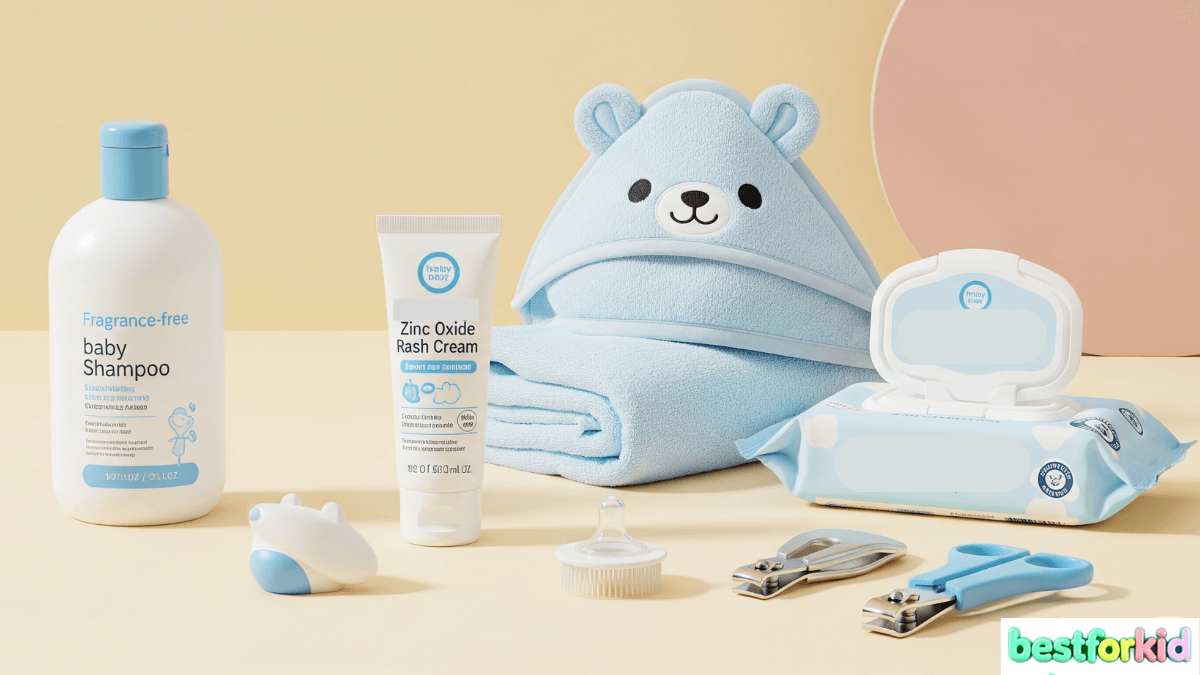
Welcome to the incredible journey of parenthood! It is a path filled with unparalleled joy, heartwarming cuddles, and a great deal of learning. As a new parent, especially in a diverse country like India, you are committed to providing the absolute best for your little one. A fundamental aspect of this commitment is ensuring proper baby hygiene and care. A clean baby is not just a happy baby, but a healthy one too.
This comprehensive guide will walk you through every essential detail, from bathing and diapering to skincare, oral care, and so much more. Our goal is to empower you with the knowledge to make sure your precious baby gets a fantastic, healthy start in life. Proper hygiene is your first line of defense, protecting your baby from germs and infections while making them feel comfortable, secure, and loved. Consider this your go-to resource, packed with simple, practical, and effective tips tailored for Indian parents.
The Golden Rules of Baby Hygiene: A Quick Overview
Before we delve into the specifics, let’s establish the fundamental principles. Excellent hygiene for your baby is not merely about a daily bath; it’s a holistic routine that encompasses everything from meticulous hand washing to cleaning their playthings. A baby’s immune system is a remarkable work in progress. While they receive some passive immunity from their mother, this protection gradually wanes in the first few months, and their own immune system takes time to mature fully. This makes them particularly vulnerable to infections caused by common germs and bacteria. Therefore, maintaining a scrupulously clean environment is paramount.
Think of it as creating a protective, sanitized bubble for your little one. Simple, consistent acts of cleanliness—like washing your hands before holding them or sterilizing their feeding bottles—can prevent a wide range of common baby illnesses, from tummy upsets to skin rashes. This guide will provide you with the knowledge and confidence to create that safe, healthy space. Remember, consistency is the absolute key when it comes to baby hygiene and care.
Bathing Your Baby: Making a Splash Safely
Bath time can be a wonderful bonding experience, a special ritual for you and your baby. However, for new parents, the prospect can also be a little nerve-wracking. Do not worry, we have got you covered. With the right preparation, technique, and a focus on safety, bath time can become a joyful and cherished part of your day. The single most important rule is to never, ever leave your baby unattended in or near water, not even for a second.
Sponge Baths for Newborns
For the first few weeks of life, until your baby’s umbilical cord stump falls off and the area heals, sponge baths are the recommended method. The umbilical cord stump must be kept as dry as possible to facilitate proper healing. Giving a sponge bath is quite simple. First, gather all your supplies: a basin of warm water, a soft washcloth or sponge, a mild, tear-free baby soap, and a clean, hooded towel. Lay your baby on a flat, comfortable, and safe surface like a changing mat. Keep them wrapped in a towel to stay warm, only exposing the part of their body you are currently washing.
Begin by gently wiping their face with a cloth dampened with plain warm water, without any soap. Then, add a small amount of baby soap to the basin water. Use this soapy water to clean the rest of their body, paying special attention to creases under the neck, in the armpits, and within the diaper area where milk and sweat can accumulate. Rinse off any soap residue with a clean, damp cloth and gently pat them dry, ensuring all skin folds are thoroughly dried before diapering and dressing them.
Transitioning to Tub Baths
Once the umbilical cord stump has detached and the navel is fully healed, your baby is ready for a real bath in a baby tub—an exciting milestone! Aim to bathe your baby two to three times a week. More frequent bathing can strip the natural oils from their delicate skin, leading to dryness. Of course, if they get particularly messy, an extra bath is perfectly fine. The ideal water temperature is lukewarm, around 37-38°C (98.6-100.4°F). You can test it with a bath thermometer or by dipping your elbow or the inside of your wrist into the water; it should feel comfortably warm, not hot. Fill the tub with just two to three inches of water.
Always support your baby’s head and neck securely with one hand while using the other to gently lower them into the water. Use a mild, fragrance-free, pH-neutral baby wash. Lather a small amount on a soft cloth and gently wash their body from top to bottom. Rinse them thoroughly with cups of clean water. Lift them out carefully into a warm, hooded towel and pat them dry. If your baby seems to dislike baths, try singing to them, introducing bath toys, or using a bath visor to keep water off their face.
Diaper Duty: A Guide to Diaper Hygiene
Changing diapers will quickly become a major part of your daily routine. Mastering proper diaper hygiene is absolutely essential to prevent the discomfort of diaper rash and to keep your baby happy and healthy. A wet or soiled diaper, when left on for too long, can create a warm, moist environment that serves as a breeding ground for bacteria and yeast.
The Art of the Diaper Change
Changing a diaper might seem straightforward, but a few key tips can make the process smoother, safer, and more hygienic. First, establish a dedicated changing station and have all your supplies ready before you begin. You will need a clean diaper, baby wipes (preferably fragrance-free and water-based), and diaper rash cream. Lay your baby on a clean, safe changing surface. Unfasten the dirty diaper, and if it’s just wet, remove it. If it’s soiled, use the front part of the diaper to wipe away any initial mess from your baby’s bottom. Gently lift your baby’s legs by the ankles to clean their bottom thoroughly with wipes.
A crucial rule, especially for baby girls, is to always wipe from front to back. This helps to prevent bacteria from the rectum from entering the urethra and causing a urinary tract infection (UTI). Allow the skin to air dry for a moment, or pat it dry with a clean cloth, before applying a barrier cream. Then, slide a clean diaper underneath, fasten it securely but not too tightly (you should be able to fit two fingers between the diaper and their tummy), and you are done! Always wash your hands with soap and water before and after every diaper change to prevent the spread of germs.
Preventing and Treating Diaper Rash
Diaper rash is a very common concern for parents, often appearing as red, irritated skin in the diaper area. It’s typically caused by prolonged exposure to wetness, friction from the diaper, and the irritating substances in urine and stool. The best prevention is proactive care. Change your baby’s diaper frequently, ideally as soon as you notice it’s wet or soiled. During each change, ensure the skin is completely clean and, most importantly, completely dry.
Using a good quality diaper rash cream containing zinc oxide at every change can create a protective barrier on the skin. If your baby does develop a mild rash, increase the frequency of changes, ensure maximum air time by letting them go diaper-free on a waterproof mat for short periods, and be extra gentle when cleaning. If the rash looks severe, has blisters or open sores, or doesn’t improve after a few days, consult your pediatrician as it could be a fungal or bacterial infection requiring specific treatment.
Baby Skincare: Nurturing Your Little One's Delicate Skin
A baby’s skin is incredibly soft, but it’s also thinner and more sensitive than adult skin. This makes it more susceptible to dryness, irritation, and rashes, especially when navigating the diverse climates of India. A gentle and consistent skincare routine will help protect and nourish their delicate skin barrier.
Daily Skincare for Indian Climates
India’s varied weather, from hot, humid summers and monsoons to dry winters, requires an adaptable skincare approach.
Summer and Monsoon Care
In the hot and humid months, a daily lukewarm bath can help keep your baby cool, clean, and free from sweat buildup. After the bath, it is still important to moisturize. Even in humid weather, a baby’s skin can lose moisture. Choose a lightweight, non-greasy, water-based baby lotion. Products with natural, soothing ingredients like aloe vera or calendula can be very beneficial. When you take your baby outdoors, sun protection is vital. For babies over six months, use a broad-spectrum, baby-safe sunscreen with an SPF of 30 or higher. For younger babies, the best protection is to keep them in the shade and use protective clothing like wide-brimmed hats and long-sleeved outfits. During the monsoon, the high humidity can increase the risk of fungal infections, so ensure your baby’s skin is thoroughly dried, paying close attention to all skin folds.
Winter Care
The dry air of Indian winters can be harsh on a baby’s skin. You might want to reduce bath frequency to every other day to avoid stripping natural oils. Always use a creamy, fragrance-free wash. The most important step is to moisturize generously. Switch to a thicker, cream-based moisturizer to provide a more robust barrier against moisture loss. Apply it immediately after bathing to lock in hydration. An oil massage with coconut or almond oil before a bath can also help nourish the skin. Using a humidifier in the baby’s room can add moisture to the air and prevent their skin from drying out.
Dealing with Common Skin Issues
Prickly heat (heat rash) is common in summer and appears as tiny red bumps in areas like the neck, chest, and back. It’s caused by blocked sweat ducts. The best remedy is to keep your baby cool and dry. Dress them in loose, breathable cotton clothing. A talc-free baby powder can help absorb excess moisture. Dry skin and patches of eczema are also common. Regular moisturizing is crucial. For very dry or eczema-prone skin, look for emollients specifically designed for atopic skin. Baby acne, small white or red pimples on the face, is also normal and usually clears up on its own without treatment. Always do a patch test on a small area of skin before trying any new product on your baby.
Oral Hygiene for Babies: A Foundation for a Healthy Smile
Oral care is not just about teeth; it should begin long before the first tooth even makes an appearance. Establishing good oral hygiene habits from birth sets the stage for a lifetime of healthy teeth and gums.
Cleaning Your Baby’s Gums
Even before your baby has teeth, it is important to clean their gums after feedings. This simple step helps remove residual milk sugars and bacteria that can lead to future dental problems. You can easily do this by taking a clean, damp, soft washcloth or a sterile gauze pad, wrapping it around your finger, and gently wiping your baby’s upper and lower gums. Aim to do this twice a day, especially after the last feed before bedtime.
Caring for the First Teeth
As soon as your baby’s first tooth erupts, typically around six months of age, it’s time to start brushing. Use a baby toothbrush with a tiny head and very soft bristles, along with plain water. The Indian Dental Association recommends scheduling your baby’s first dental visit as soon as the first tooth appears or by their first birthday. This helps to spot any potential issues early. For children under three years old, you can use a tiny smear of fluoride toothpaste, no larger than a grain of rice.
Brush their teeth gently twice a day. As more teeth emerge, continue this routine, ensuring you clean all surfaces—front, back, and chewing surfaces. Also, to prevent “bottle rot” or early childhood caries, never put your baby to bed with a bottle of milk or juice. Supervise your child’s brushing until they are old enough to do it effectively on their own, usually around age 6 or 7.
Nail Care: Keeping Tiny Fingers and Toes Safe
A baby’s nails might be tiny and paper-thin, but they can be surprisingly sharp! Keeping them short and clean is important for two main reasons: it prevents your baby from accidentally scratching themselves (and you!), and it avoids the buildup of dirt and germs under the nails, which can then be transferred to their mouth.
How to Trim Baby Nails Safely
The thought of trimming a wiggling baby’s nails can be daunting for any parent. However, with the right tools and a little patience, it is a perfectly manageable task. You can start trimming your baby’s nails right from birth. One of the safest methods for newborns is to use a soft emery board or a gentle nail file to shorten and smooth the nail edges. As they get a bit older, you can use baby nail scissors with rounded safety tips or specially designed baby nail clippers. Avoid using adult-sized clippers, which are too large and can cause injury.
A good time to trim nails is when your baby is calm and relaxed, perhaps after a bath when the nails are softer, or even when they are sound asleep. Hold your baby’s finger firmly, press the finger pad away from the nail, and gently trim or clip the nail following its natural curve. For toenails, it’s best to trim them straight across. If you accidentally nick the skin, don’t panic. Apply gentle pressure with a clean cloth to stop any minor bleeding.
Cleaning Under the Nails
Dirt, lint, and other debris can easily get trapped under your baby’s nails. During bath time, you can use a soft-bristled baby nail brush or the corner of a clean washcloth to gently scrub under their nails. Keeping the nails short is the most effective way to prevent significant dirt accumulation. Soaking their hands and feet in warm water during their bath can also help loosen any stubborn grime, making it easier to clean.
Umbilical Cord Care: A Gentle Approach to Healing
The umbilical cord stump is a very delicate area that requires special attention during the first few weeks of your baby’s life. Proper care is crucial to ensure it heals correctly and to prevent any risk of infection.
Keeping the Stump Clean and Dry
The primary goal of umbilical cord care is simple: keep the stump clean and dry. To help it dry out faster, expose the stump to air as much as possible. You can do this by folding the front of your baby’s diaper down so that it doesn’t cover and rub against the stump. Until the stump falls off, it is essential to stick to sponge baths to avoid soaking the area. If the stump accidentally gets a little wet, gently pat it dry with a clean, soft cloth. If you notice any urine or stool on the cord, you should clean it gently. Use a cotton swab or a soft cloth dipped in warm water, clean the area, and then carefully pat it dry. It’s no longer recommended to use rubbing alcohol, as it can sometimes irritate the skin and delay healing.
When to Expect the Stump to Fall Off
The umbilical cord stump will typically dry up, shrivel, and fall off on its own, usually within one to three weeks after birth. It is very important that you never try to pull it off, even if it seems to be hanging by a mere thread. Let it detach naturally. After the stump falls off, you might notice a small, raw-looking spot that may ooze a little clear or blood-tinged fluid. This is normal and is part of the healing process, which should be complete within two weeks. However, you must contact your doctor if you notice any signs of infection, such as pus (a thick, yellow, or greenish discharge), a foul smell coming from the cord area, or significant redness and swelling of the skin around the navel.
Gentle Cleaning: Eyes, Ears, and Nose
Cleaning your baby’s delicate facial features—their eyes, ears, and nose—requires a gentle touch and the correct technique. It is important to keep these areas clean to prevent irritation and infections.
Cleaning Your Baby’s Eyes
To clean your baby’s eyes, you will need cotton balls or a very soft, clean washcloth and some warm, previously boiled water. Dip a clean cotton ball in the warm water and squeeze out the excess. Gently wipe your baby’s eye from the inner corner to the outer corner. It is crucial to use a fresh, clean cotton ball for each eye to avoid transferring any potential infection from one eye to the other. It is best to avoid using any soap near their eyes. Sometimes, babies have a blocked tear duct, which can cause a sticky discharge. Gentle massage of the area between the eye and the nose can sometimes help, but you should discuss this with your pediatrician.
Cleaning Your Baby’s Ears
When it comes to cleaning your baby’s ears, the rule is to only clean the outer part. Never insert anything, including cotton swabs (Q-tips), into your baby’s ear canal. Doing so can push wax further in and potentially damage the delicate eardrum. Simply use a damp washcloth to gently wipe around the outside of the ear and behind it, where milk can sometimes dribble and collect. Earwax is natural and protective, helping to keep dust and dirt out of the ear canal, so there is no need to remove it from inside.
Cleaning Your Baby’s Nose
You can keep your baby’s nose clean by gently wiping around the nostrils with a damp cloth to remove any visible or dried mucus. It is not recommended to insert anything, including twisted cloths or cotton swabs, inside your baby’s nostrils, as this can irritate the delicate lining and cause bleeding or swelling. If your baby is congested and having trouble feeding or sleeping, talk to your doctor. They may recommend using saline nasal drops to loosen the mucus, which can then be gently removed from the nostril opening or with a bulb syringe or nasal aspirator. Always follow your doctor’s instructions on how to use these devices safely.
Hygiene for Feeding Equipment: A Must for a Healthy Tummy
Whether you are bottle-feeding with formula or using expressed breast milk, it is absolutely crucial to clean and sterilize all feeding equipment. This includes bottles, teats, rings, and even breast pump parts. This practice should continue until your baby is at least 12 months old, as their developing immune system is still vulnerable to harmful germs that can cause infections like gastroenteritis (diarrhea and vomiting).
Washing and Sterilizing Bottles
Sterilizing is only effective on clean surfaces, so you must first wash the bottles and teats thoroughly. As soon as a feed is finished, rinse the equipment in cold water. Then, wash everything in hot, soapy water. Use a dedicated bottle brush to scrub the inside of the bottles and a small, separate teat brush to clean inside the teats, ensuring you remove all milk residue. After washing, rinse everything thoroughly with clean, running water. There are several effective methods for sterilizing:
- Boiling: This is a simple and reliable method. Submerge all the washed equipment in a large pot of water, ensuring there are no trapped air bubbles. Bring the water to a rolling boil and keep it boiling for at least 5 minutes, making sure everything stays underwater.
- Steam Sterilizing: You can use an electric steam sterilizer or a microwave sterilizer. These are quick and efficient. Always follow the manufacturer’s instructions carefully regarding the amount of water to use and the length of the cycle.
- Cold Water Sterilizing: This method involves using a special sterilizing solution or tablets dissolved in cold water. The equipment needs to be submerged in the solution for at least 30 minutes. Ensure no air is trapped inside the bottles or teats.
After sterilizing, it is best to leave the equipment in the sterilizer or the covered pot until you need to use it. Wash your hands before handling sterilized equipment. For more detailed guidance, you can refer to resources from reputable organizations like the Centers for Disease Control and Prevention (CDC).
Laundry Care for Your Baby's Clothes
Given how sensitive your baby’s skin is, the way you wash their clothes, bedding, and towels matters. The right laundry practices can help prevent skin irritation and rashes, while keeping their items soft, clean, and safe for them to wear and use.
Choosing the Right Detergent
It is a wise choice to use a mild, hypoallergenic detergent that is specifically formulated for babies or sensitive skin. These detergents are generally free from the harsh chemicals, perfumes, and dyes found in many standard detergents, which can irritate a baby’s delicate skin. It is also recommended to wash your baby’s clothes separately from the rest of the family’s laundry, at least for the first few months. For product recommendations, you can look for detergents like Tide Free & Gentle, which is recognized by the National Eczema Association and designed for sensitive skin.
Washing and Drying Tips
Always wash new baby clothes before your little one wears them for the first time. This helps to remove any dust, dirt, or potential chemical irritants from the manufacturing and shipping process. It is a good practice to pre-treat any stains, especially from spit-up, poop, or food, before they set in. You can soak the stained item in cold water with a little baby-safe stain remover. For general washing, a gentle cycle with either warm or cold water is usually sufficient. If your baby has particularly sensitive skin, consider using an extra rinse cycle to ensure all detergent residue is washed away. Whenever possible, sun-drying baby clothes is a fantastic option. The ultraviolet rays from the sun act as a natural disinfectant and bleaching agent, helping to kill germs and keep whites bright without harsh chemicals.
Creating a Hygienic Home Environment
As your baby grows and begins to explore the world around them—rolling, crawling, and putting everything in their mouth—keeping your home environment clean becomes even more critical. A hygienic home helps protect your curious baby from germs and potential illnesses.
The Importance of Hand Washing
One of the single most effective ways to prevent the spread of infection in your home is through frequent and thorough hand washing. Everyone who comes into contact with your baby, including family members and visitors, should wash their hands diligently with soap and water. This is especially important before feeding or handling the baby, after changing a diaper, after using the toilet, and after coming in from outside.
Keeping Your Home Clean and Safe
Regularly clean and disinfect surfaces that your baby frequently touches. This includes their changing mat, high chair tray, play mats, and toys. A simple solution of soap and water is often sufficient for cleaning most surfaces. For disinfecting, you can use a solution of vinegar and water or a baby-safe disinfectant spray. Avoid using harsh chemical cleaners in areas where the baby plays, as they can leave behind residues and strong odors that might be harmful. Ensure that your home is a completely smoke-free environment to protect your baby’s developing respiratory system. By taking these simple precautions, you can create a safe and healthy space for your baby to grow and explore. For further information, the World Health Organization provides comprehensive guidelines on essential home care for newborns.
Conclusion: Gentle Care for a Healthy Start
Navigating the new world of baby hygiene and care can certainly feel overwhelming at first. But with a little knowledge, a lot of love, and consistent practice, these routines will soon become second nature. The key is to always be gentle and consistent in your approach. Every little step you take, from the soothing ritual of a warm bath to the simple, vital act of washing your hands, is a profound contribution to your baby’s health, comfort, and overall well-being. This diligence is an act of love, creating a safe and nurturing environment for them to thrive. Remember to trust your parental instincts, as they are often your best guide.
And never hesitate to seek advice from your pediatrician whenever you have questions or concerns. Enjoy these precious, fleeting early moments with your little one, confident in the knowledge that you are providing them with the very best possible care for a healthy and happy start in life.For more detailed information, you can also visit official government resources like RCH Portal, POSHAN Abhiyaan, and the National Health Mission Immunization Page.
Frequently Asked Questions (FAQ)
Here are answers to some common questions Indian parents have about baby hygiene.
How often should I bathe my newborn?
For newborns, a full tub bath is not necessary every day, as it can dry out their skin. Two to three times a week is generally sufficient. On the days in between, a practice called “topping and tailing” is a good way to keep them clean. This involves using a warm, damp cloth to wash their face, neck, hands, and bottom.
Is it safe to use traditional Indian practices like applying kajal or oil in the ears?
While traditional practices are a cherished part of Indian culture, it is important to approach them with caution and modern medical understanding. Most pediatricians strongly advise against applying kajal (kohl) to a baby’s eyes due to the risk of lead poisoning from some formulations and the potential for eye infections. Similarly, putting oil or any other substance in a baby’s ears or nose is not recommended as it can cause harm and block natural passages. It is always best to consult with your doctor about any traditional practices you are considering.
What is the best way to deal with cradle cap?
Cradle cap is a common and harmless condition that causes yellowish, greasy, scaly patches on a baby’s scalp. You can often treat it at home. Gently massage a small amount of baby oil, coconut oil, or olive oil onto the affected areas of the scalp to soften the scales. Let it sit for about 15-30 minutes, then use a soft baby brush or a fine-toothed comb to gently loosen and remove the scales. Afterward, you can wash the hair with a mild baby shampoo to remove the oil and flakes.
When can I start taking my baby out in public?
It is generally a good idea to limit your newborn’s exposure to crowded public places like malls or markets for the first six to eight weeks. Their immune system is still developing, making them more susceptible to germs. When you do go out, try to avoid close contact with anyone who is obviously sick. Always ensure your baby is dressed appropriately for the weather and protected from direct sun exposure.
How can I keep my baby safe from mosquitoes?
Mosquito-borne diseases are a significant concern in India. To protect your baby, use mosquito nets over their crib, cot, and stroller, ensuring there are no gaps. Dress them in lightweight, long-sleeved, and long-legged clothing, especially during the early morning and evening hours when mosquitoes are most active. For babies older than two months, you can use a baby-safe mosquito repellent on their clothing, but always follow the product instructions carefully. Avoid applying repellent to their hands (which they might put in their mouth) and face.
How do I manage baby hygiene while traveling, especially in India?
Traveling with a baby requires some extra planning for hygiene. Pack a dedicated baby bag with essentials like a portable changing mat, plenty of diapers, wipes, and hand sanitizer. Carry small bottles of baby wash and lotion. For sterilizing bottles on the go, you can use portable electric sterilizers, microwave sterilizer bags if you have access to a microwave, or cold-water sterilizing tablets. Disposable changing mats can be very handy for use in public restrooms or on train berths.
Table of Contents
Recent Articles :




You May Also Like
2025’s Best Baby Diapers in India Every Parent Should Know
Finding the right diaper can be a game-changer for both parents and babies. In this guide, we’ve rounded up the best baby diapers in India for 2025 that offer superior comfort, absorbency, and skin protection. Whether you’re looking for budget-friendly options or premium brands, this list helps you make the right choice for your little one’s needs.
Newborn Clothing Made Easy: Comfort Meets Practicality
Dressing your newborn doesn’t have to be complicated. This guide simplifies your shopping by focusing on clothes that are soft, breathable, and easy to wear. Discover top picks for rompers, onesies, and sleepwear that combine comfort with convenience—perfect for your baby’s delicate skin and your daily routine.
10 Best Baby Play Mats for Comfort, Safety & Entertainment
A good play mat offers more than just a soft surface—it encourages sensory development, tummy time, and safe play. We’ve curated the best baby play mats of 2025 that tick all the boxes: comfort, safety, durability, and design. Explore options that turn your floor into a fun and nurturing environment for your baby.