
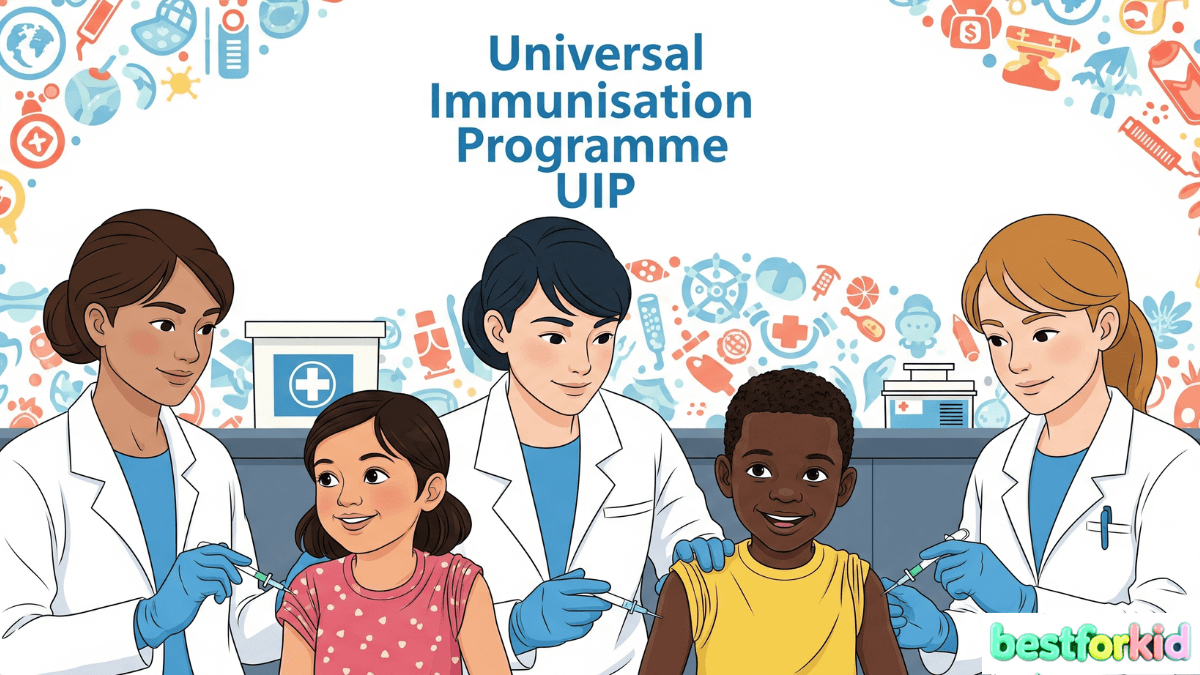
As a parent, your child’s health is your top priority. You do everything to protect them, from baby-proofing your home to providing nutritious meals. However, one of the most crucial steps you can take to safeguard their future is ensuring they are vaccinated. In India, the government has made this vital protection accessible to all through the Universal Immunization Programme (UIP). This landmark public health initiative is one of the largest in the world, offering free vaccines to millions of newborns and pregnant women every year. Understanding this program is the first step towards giving your child a healthy start in life. This blog post will walk you through everything you need to know about the Universal Immunization Programme, from its history and the diseases it covers to its profound impact on child health across our nation.
The Journey of Immunization in India: A Historical Perspective
India’s commitment to widespread immunization has a long and storied history. The journey began long before the formal launch of the Universal Immunization Programme. Let’s trace the key milestones that have shaped this life-saving initiative.
The Early Days: Expanded Programme on Immunization (EPI)
In 1978, the Government of India took a significant step by launching the Expanded Programme on Immunization (EPI). This was the precursor to the UIP. Initially, the EPI’s reach was largely limited to urban areas. It aimed to provide vaccines against six major childhood diseases: tuberculosis, diphtheria, pertussis (whooping cough), tetanus, polio, and measles. The goal was to cover at least 80% of infants, but the focus on urban centers meant that many children in rural India were left vulnerable. The typhoid-paratyphoid vaccine was also part of the initial program but was later removed in 1982.
A Universal Vision: The Birth of the UIP
Recognizing the need to expand vaccine coverage to every corner of the country, the government rebranded and expanded the EPI in 1985, giving birth to the Universal Immunization Programme (UIP) as we know it today. This was a monumental shift. The UIP was designed to be implemented in a phased manner, with the ambitious goal of covering all districts in the country by 1989-90. This expansion marked a new era in public health, aiming to significantly reduce mortality and morbidity from vaccine-preventable diseases. The program was given the status of a National Technology Mission in 1986 to infuse a sense of urgency and commitment.
Integration and Evolution: Strengthening the Programme
Over the years, the UIP has been integrated into broader national health initiatives to enhance its effectiveness and reach.
- In 1992, it became a crucial component of the Child Survival and Safe Motherhood (CSSM) Programme.
- Subsequently, in 1997, it was integrated into the National Reproductive and Child Health (RCH) Programme.
- Since the launch of the National Rural Health Mission (NRHM) in 2005, the UIP has been a key area of focus.
This continuous evolution demonstrates the government’s unwavering commitment to strengthening immunization services and ensuring that every child and pregnant woman has access to these life-saving vaccines. The program’s scope has also expanded significantly, with new vaccines being added to tackle a wider range of diseases.
Why the Universal Immunization Programme is a Game-Changer for India
The significance of the Universal Immunization Programme cannot be overstated. It is one of the most effective and cost-efficient public health interventions, saving millions of lives each year. Let’s delve into the core objectives that drive this massive undertaking and the profound impact it has on our society.
Core Objectives of the UIP
The programme was launched with a clear set of goals designed to create a healthier future for India’s children. The primary objectives of the UIP include:
- Rapidly increasing immunization coverage: The foremost goal is to ensure that the benefits of vaccination reach every eligible child and pregnant woman in the country.
- Improving the quality of services: It’s not just about quantity; the programme strives to maintain high standards in vaccine delivery and service quality.
- Establishing a reliable cold chain system: Vaccines are sensitive to temperature. Therefore, establishing a robust cold chain system to store and transport vaccines at the correct temperature right up to the health facility level is critical.
- Monitoring performance: A district-wise system for monitoring and evaluation was put in place to track progress and identify areas needing improvement.
- Achieving self-sufficiency in vaccine production: A key long-term goal has been to enhance India’s indigenous capacity to produce its own vaccines.
- Eradicating and eliminating diseases: The programme has specific targets, such as the eradication of polio and the elimination of neonatal tetanus.
The Unmatched Importance of Childhood Immunization
Vaccinating your child is one of the most important decisions you will make as a parent. Here’s why it is so crucial:
- Builds a Strong Immune System: Babies are born with a developing immune system, making them vulnerable to infections. Vaccines introduce a harmless form of a germ, prompting the body to produce antibodies. These antibodies provide long-term protection without the child having to suffer the actual disease.
- Protects Against Deadly Diseases: The UIP provides protection against numerous life-threatening illnesses like polio, measles, tetanus, and pneumonia. Many of these diseases can lead to severe complications, lifelong disabilities, or even death.
- A Safe and Effective Shield: Modern vaccines are developed with global safety standards in mind. They are incredibly safe and effective in preventing diseases that once caused widespread devastation.
- Saves Time, Money, and Distress: Vaccinating your child prevents the emotional and financial turmoil of treating a serious illness. It saves you from the stress of hospital visits and medical bills, allowing your family to thrive.
- Protects Future Generations: When you vaccinate your child, you are not just protecting them. You are also contributing to ‘herd immunity,’ which protects vulnerable members of the community who cannot be vaccinated. This helps in eradicating diseases for good. The successful eradication of smallpox and polio from most parts of the world is a testament to the power of vaccines.
The Universal Immunization Programme makes this essential protection accessible to everyone, regardless of their socio-economic status, ensuring a healthier future for all of India’s children.
What’s in the Vaccine Vial? A Look at the UIP Schedule
The Universal Immunization Programme provides a comprehensive shield against numerous vaccine-preventable diseases. The vaccines are provided free of cost at government health facilities across the country. Let’s break down the National Immunization Schedule to understand which vaccines are given and when.
Vaccines for Pregnant Women
The protection begins even before the baby is born. Pregnant women are given the Tetanus and adult Diphtheria (Td) vaccine to protect both the mother and the newborn from tetanus.
- Td-1: Given as early as possible during pregnancy.
- Td-2: Given 4 weeks after the first dose.
- Td-Booster: If a woman has received two Td doses in a pregnancy within the last 3 years, a booster dose is given.
Vaccines for Infants and Children
The immunization schedule for infants is designed to provide protection at the earliest possible age. The vaccination journey starts right at birth and continues through childhood.
- At Birth:
- BCG (Bacillus Calmette-Guérin): Protects against the severe form of childhood tuberculosis.
- Hepatitis B – Birth Dose: The first line of defense against Hepatitis B infection, given within 24 hours of birth.
- OPV (Oral Polio Vaccine) – 0 Dose: The first dose to protect against the poliovirus.
- At 6, 10, and 14 Weeks:
- OPV (Oral Polio Vaccine): Three doses are given at these intervals to build strong immunity against polio.
- Pentavalent Vaccine: This is a 5-in-1 combination vaccine that protects against Diphtheria, Pertussis, Tetanus (DPT), Hepatitis B, and Haemophilus influenzae type B (Hib). The Hib vaccine is crucial for preventing serious diseases like pneumonia and meningitis. Giving a combination vaccine reduces the number of injections a child needs to receive.
- Rotavirus Vaccine (RVV): Protects against rotavirus diarrhea, a leading cause of severe diarrhea in young children. This vaccine is being expanded across the country.
- Inactivated Polio Vaccine (IPV): A fractional dose is given at 6 and 14 weeks as part of the global polio endgame strategy.
- Pneumococcal Conjugate Vaccine (PCV): Protects against pneumococcal disease, which can cause pneumonia and meningitis. This has been expanded nationwide.
- At 9-12 Months:
- Measles and Rubella (MR) – 1st Dose: The first dose to protect against measles and rubella.
- Japanese Encephalitis (JE) – 1st Dose: Given in endemic districts to protect against this serious brain infection.
- PCV Booster: A booster dose of the Pneumococcal Conjugate Vaccine.
- At 16-24 Months:
- DPT – 1st Booster: A booster dose to reinforce protection against Diphtheria, Pertussis, and Tetanus.
- MR – 2nd Dose: The second dose of the Measles and Rubella vaccine.
- OPV Booster: An additional booster dose of the Oral Polio Vaccine.
- JE – 2nd Dose: The second dose of the Japanese Encephalitis vaccine in endemic areas.
- At 5-6 Years:
- DPT – 2nd Booster: Another booster for Diphtheria, Pertussis, and Tetanus.
- At 10 and 16 Years:
- Tetanus and adult Diphtheria (Td): To maintain immunity against these diseases in older children.
This schedule has been carefully designed by experts to provide optimal protection. It is vital for parents to follow this schedule and ensure their child receives all the recommended vaccines on time. You can get your child vaccinated at the nearest government health facility, anganwadi center, or at special immunization session sites.
Mission Indradhanush: Reaching Every Last Child
While the Universal Immunization Programme has been a monumental success, achieving 100% immunization coverage in a country as vast and diverse as India is a significant challenge. To bridge the gaps and ensure that no child is left behind, the Government of India launched a special initiative called Mission Indradhanush.
What is Mission Indradhanush?
Launched in December 2014, Mission Indradhanush aims to rapidly increase full immunization coverage to 90%. The mission focuses on pockets of low immunization coverage, hard-to-reach areas, and underserved populations where the number of unvaccinated and partially vaccinated children is high. The name ‘Indradhanush’, meaning rainbow, was chosen to signify the seven vaccine-preventable diseases that were initially targeted, similar to the seven colors of the rainbow.
Intensifying the Efforts: IMI and Beyond
The success of the initial phases of Mission Indradhanush led to the launch of even more focused campaigns.
- Intensified Mission Indradhanush (IMI): Launched in October 2017, the IMI aimed to further accelerate the progress by focusing on select districts and cities to achieve over 90% full immunization coverage. It involved enhanced planning, monitoring, and inter-sectoral partnerships to reach every last child.
- IMI 2.0, 3.0, and 4.0: Subsequent versions of the IMI were launched to sustain the momentum and address new challenges. IMI 3.0, for instance, specifically focused on reaching children and pregnant women who had missed their vaccine doses due to the COVID-19 pandemic. IMI 4.0 continued these efforts across hundreds of districts.
These intensified drives have been instrumental in significantly boosting immunization rates. Through these missions, millions of children and pregnant women have been vaccinated, bringing India closer to its goal of universal immunization.
The Impact of Mission Indradhanush
The impact of Mission Indradhanush has been profound. It has played a crucial role in reducing the number of ‘zero-dose’ children (children who haven’t received any vaccine). The focused approach has helped in identifying and overcoming barriers to vaccination, such as lack of awareness, vaccine hesitancy, and geographical challenges. The Prime Minister himself has emphasized that immunization should be a social movement, requiring the participation of all citizens.
The Tangible Impact: How UIP Has Transformed Child Health in India
The success of the Universal Immunization Programme is not just a matter of statistics; it is reflected in the millions of healthy children who have been protected from deadly diseases. The program has had a transformative impact on child health and survival in India.
A Drastic Reduction in Child Mortality
Routine childhood vaccinations are one of the most significant contributors to improved child survival rates globally, preventing an estimated 2-3 million deaths each year. In India, the impact has been particularly remarkable.
- Studies have shown that exposure to the UIP has led to a significant reduction in infant and under-five mortality rates.
- India has seen a remarkable 78% decline in the Under-Five Mortality Rate between 1990 and 2023, a success story in which the UIP has played a central role.
- Similarly, the Neonatal Mortality Rate has seen a 70% reduction during the same period, outpacing global averages.
Historic Public Health Victories
The UIP has been instrumental in achieving some of India’s most significant public health milestones.
- Polio Eradication: On March 27, 2014, the World Health Organization certified India and the entire South-East Asia Region as polio-free. This was a historic achievement, made possible by decades of sustained efforts under the UIP, including mass vaccination campaigns like the Pulse Polio programme.
- Maternal and Neonatal Tetanus Elimination: In 2015, India achieved another major milestone by eliminating maternal and neonatal tetanus. This was a direct result of the systematic vaccination of pregnant women with the tetanus toxoid vaccine under the UIP.
These victories demonstrate the immense power and effectiveness of a well-executed, universal immunization program.
Global Recognition and Leadership
India’s success in immunization has not gone unnoticed on the global stage. The country is now seen as a leader in child health and vaccine equity.
- India has significantly reduced the percentage of zero-dose children, with the rate falling dramatically in recent years.
- The country’s vaccination coverage rates for key vaccines like DTP-1 consistently exceed the global average and are significantly higher than in many other large nations.
- In March 2024, India was honored with the prestigious Measles and Rubella Champion Award in recognition of its commitment to eliminating these diseases.
This global recognition is a testament to the hard work of millions of healthcare workers and the unwavering commitment of the government to the health of its youngest citizens.
Overcoming Hurdles: Challenges and the Road Ahead
Despite its incredible successes, the journey of the Universal Immunization Programme is not without its challenges. Ensuring that every single child in a country of over 1.4 billion people is vaccinated is a colossal task. However, by acknowledging these challenges, we can work towards strengthening the program even further.
Persistent Challenges in Immunization
Some of the key hurdles that the UIP continues to navigate include:
- Reaching the Last Mile: In a country with diverse and challenging geography, reaching remote and isolated communities remains a significant logistical challenge.
- Vaccine Hesitancy: Misinformation and lack of awareness can sometimes lead to vaccine hesitancy among parents. Building trust and effectively communicating the benefits of vaccination is an ongoing effort.
- Urban-Rural Disparities: While the UIP has expanded its reach significantly, disparities in coverage between urban and rural areas, and even within urban slums, can persist.
- Data Management: Maintaining accurate and real-time records for millions of beneficiaries is a complex task, although digital initiatives are making this easier.
- Supply Chain Management: Ensuring an uninterrupted supply of high-quality vaccines and maintaining the cold chain in all parts of the country requires constant vigilance and investment.
The Path Forward: Innovations and Future Directions
The Government of India and its partners are continuously working to overcome these challenges and strengthen the UIP. The road ahead is focused on innovation and a multi-pronged approach.
- Digital Transformation with U-WIN: A major leap forward is the U-WIN platform, which aims to create a fully digitized record of vaccination for every pregnant woman and child. This will streamline record-keeping, make it easier to track vaccination status, and ensure that no one misses their due doses.
- Strengthening Community Engagement: Building on the success of Mission Indradhanush, there is a continued focus on community participation. Involving local leaders, community-based organizations, and frontline workers like ASHA and Anganwadi workers is key to building vaccine confidence.
- Targeted Strategies: Initiatives like the Zero Dose Implementation Plan focus on districts with a high number of unvaccinated children, using targeted strategies to address specific barriers in those communities.
- Introduction of New Vaccines: The UIP is a dynamic program. The National Technical Advisory Group on Immunization (NTAGI) continuously reviews scientific evidence to recommend the inclusion of new, life-saving vaccines into the schedule.
By embracing technology, strengthening community partnerships, and continuously evolving, the Universal Immunization Programme is poised to build on its legacy of success and create an even healthier future for generations to come.
Conclusion
The Universal Immunization Programme is more than just a government scheme; it is a lifeline for millions of children in India. From its origins as the Expanded Programme on Immunization to its current comprehensive form, the UIP has been a cornerstone of India’s public health strategy, saving countless lives and preventing immeasurable suffering. Historic achievements like the eradication of polio and the elimination of maternal and neonatal tetanus are powerful reminders of what can be accomplished through a dedicated and universal approach to vaccination.
Initiatives like Mission Indradhanush have further strengthened the program, demonstrating a relentless commitment to reaching every last child, no matter how remote their location. While challenges remain, the future of immunization in India looks bright, with digital innovations like the U-WIN platform set to revolutionize vaccine delivery and tracking.
As parents and caregivers, our role in this national mission is simple yet profound: to ensure that our children receive every vaccine as per the schedule. By doing so, we are not only protecting our own child but also contributing to the health and well-being of our entire community. Let us embrace this gift of health and work together to build a healthier, stronger, and more resilient India for our children. For more detailed information, you can also visit official government resources like RCH Portal, POSHAN Abhiyaan, and the National Health Mission Immunization Page.
Frequently Asked Questions (FAQ)
What is the Universal Immunization Programme (UIP)?
The Universal Immunization Programme (UIP) is a vaccination program launched by the Government of India in 1985. It is one of the largest public health programs in the world, providing free vaccines to pregnant women and children to protect them from a number of life-threatening, vaccine-preventable diseases.
Are the vaccines provided under the UIP free of cost?
Yes, all vaccines provided under the Universal Immunization Programme are given completely free of cost at all government health facilities, including primary health centers, community health centers, and district hospitals, as well as at Anganwadi centers and other designated session sites.
How many diseases does the UIP protect against?
Currently, the UIP provides vaccination against 12 vaccine-preventable diseases. Nationally, it covers 11 diseases: Diphtheria, Pertussis, Tetanus, Polio, Measles, Rubella, severe childhood Tuberculosis, Hepatitis B, Meningitis & Pneumonia caused by Haemophilus influenzae type B, and Pneumococcal Pneumonia. Sub-nationally, it also provides the Japanese Encephalitis vaccine in endemic districts.
What is the Pentavalent vaccine?
The Pentavalent vaccine is a combination vaccine that protects against five diseases: Diphtheria, Pertussis, Tetanus (DPT), Hepatitis B, and Haemophilus influenzae type B (Hib). Its inclusion in the UIP is a major breakthrough as it reduces the number of injections a child receives while ensuring protection against these five key diseases.
What is Mission Indradhanush?
Mission Indradhanush is a special immunization drive launched in 2014 to rapidly increase immunization coverage. It focuses on reaching children under two years of age and pregnant women who have been missed during routine immunization rounds, especially in low-coverage and hard-to-reach areas.
Where can I get my child vaccinated under the UIP?
You can get your child vaccinated at the nearest government health facility, such as a Primary Health Centre (PHC), Community Health Centre (CHC), or district hospital. Vaccinations are also provided at Anganwadi centers and special session sites organized in your village or urban locality on fixed days.
Is it safe to give my child multiple vaccines at once?
Yes, it is safe. The national immunization schedule is developed by medical experts and is designed to provide protection as early as possible. Combination vaccines, like the Pentavalent vaccine, are safe and effective and help reduce the number of pricks for the child.
What should I do if my child misses a vaccine dose?
If your child misses a dose, you should contact your nearest healthcare provider or ASHA worker as soon as possible. They will guide you on how to catch up with the vaccination schedule. It is important to complete the full course of vaccines for your child to be fully protected.
What is the U-WIN platform?
U-WIN is a new digital platform being rolled out by the government to digitize India’s Universal Immunization Programme. It will create a digital record for every pregnant woman and child, track vaccination status, and send reminders for due doses, making the entire process more efficient and user-friendly.
Table of Contents
Recent Articles :






You May Also Like
2025’s Best Baby Diapers in India Every Parent Should Know
Finding the right diaper can be a game-changer for both parents and babies. In this guide, we’ve rounded up the best baby diapers in India for 2025 that offer superior comfort, absorbency, and skin protection. Whether you’re looking for budget-friendly options or premium brands, this list helps you make the right choice for your little one’s needs.
Newborn Clothing Made Easy: Comfort Meets Practicality
Dressing your newborn doesn’t have to be complicated. This guide simplifies your shopping by focusing on clothes that are soft, breathable, and easy to wear. Discover top picks for rompers, onesies, and sleepwear that combine comfort with convenience—perfect for your baby’s delicate skin and your daily routine.
10 Best Baby Play Mats for Comfort, Safety & Entertainment
A good play mat offers more than just a soft surface—it encourages sensory development, tummy time, and safe play. We’ve curated the best baby play mats of 2025 that tick all the boxes: comfort, safety, durability, and design. Explore options that turn your floor into a fun and nurturing environment for your baby.